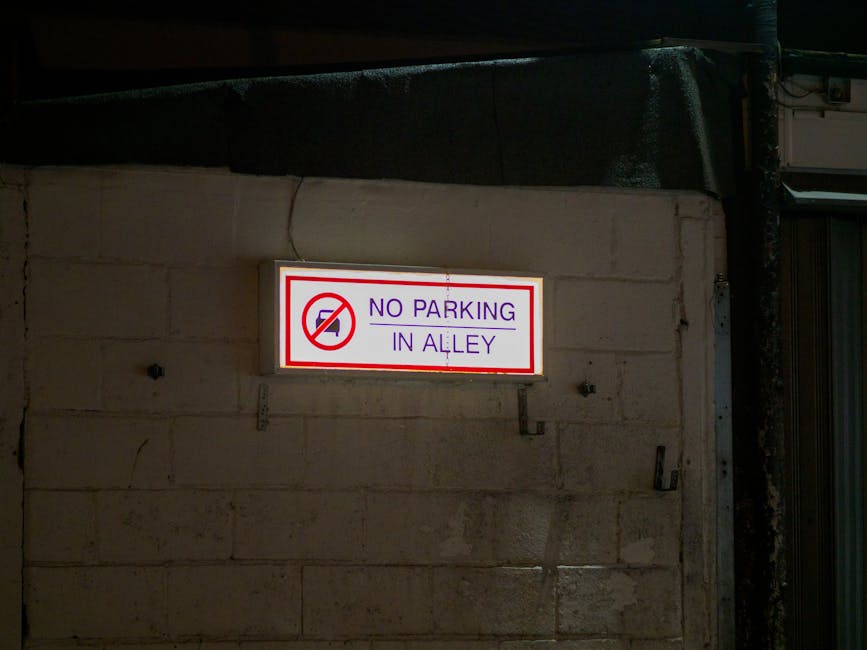
Avoid Fines: New Malden Parking and Loading Rules
Posted on 06/07/2026
If you are planning a move, a delivery, or even a quick bulky-item drop-off, Avoid Fines: New Malden Parking and Loading Rules is not one of those topics you can safely leave until the last minute. In New Malden, parking and loading can feel straightforward right up until you meet a restriction, a bay that is only free for a short window, or a vehicle positioning rule that suddenly matters a lot. And yes, the fine usually arrives with perfect timing, after the stress has already kicked in.
This guide breaks the subject down in plain English. You will learn what the rules mean in practice, how to plan a legal loading stop, which mistakes commonly trigger penalties, and how to keep your move calm rather than chaotic. If you are dealing with furniture, white goods, student moves, office items, or same-day clearance, the details here will save you time, hassle, and a fair bit of money.
Why Avoid Fines: New Malden Parking and Loading Rules Matters
The reason this topic matters is simple: loading is rarely just parking. A van may be stationary for only a few minutes, but if that stop is in the wrong place, at the wrong time, or without the right permit or exemption, it can become a penalty rather quickly. In a busy area like New Malden, that risk is higher because roads can be narrow, demand for spaces is constant, and local streets often have mixed-use pressure from residents, shoppers, tradespeople, and removal vehicles.
For movers, the stakes are even bigger. A misjudged loading bay can delay a whole chain of events. One missed window can mean extra carrying distance, extra labour, a longer lift time, and perhaps a second trip. That is the kind of thing that turns a simple move into a bit of a slog. To be fair, nobody wants to carry a wardrobe half a street just because the van was parked one bay too far away.
Parking and loading rules also matter because they are not only about avoiding tickets. They affect access, pedestrian safety, traffic flow, and whether your move can be completed in one smooth pass rather than in awkward stages. If you are moving a sofa, a mattress, a freezer, or office desks, a legal, well-planned stop can make the whole process safer and less physically demanding.
For a helpful local read on accessing the best practical stopping points, you may also want to look at best loading spots on New Malden High Street for removals. It complements this guide nicely when you are planning the actual vehicle position.
How Avoid Fines: New Malden Parking and Loading Rules Works
In practice, parking and loading rules are a mix of local restrictions, time limits, road markings, signage, and common-sense positioning. You cannot treat every kerbside stop the same way. A loading bay is not the same as a standard parking space, and a double yellow line is not the same as a free-for-all. The devil is in the signs, as they say, and sometimes the signs are doing a lot of work.
The broad idea is this: if you are actively loading or unloading, you may have some scope to stop where ordinary parking would not be appropriate for a long stay. But that does not mean "anything goes". A legitimate loading stop usually needs to be continuous, clearly connected to the move, and done with the vehicle attended where needed. If the stop drifts into a coffee break, a paperwork pause, or a long chat with the neighbour, that can be a problem.
In New Malden, you should expect a few recurring themes:
- Some spaces are short-stay only.
- Some loading areas are time-limited.
- Some streets are heavily controlled at peak times.
- Some locations can be awkward for larger vans because of width, traffic, or turning space.
- Some operations may need council permission or a parking arrangement in advance.
If you are organising a home move, it helps to think in layers. First, decide where the van can stop. Next, work out how long you need. Then check whether the loading point allows that duration and whether you need to apply for anything in advance. That sequence sounds simple, but it is exactly where many people go wrong.
For more background on permit planning, there is a very relevant guide here: Kingston Council permit guide for New Malden removals. It is particularly useful if your move involves a controlled road, a bay suspension, or a permit-based arrangement.
Key Benefits and Practical Advantages
Following the rules properly is not just about staying on the right side of enforcement. It also makes the move smoother in a dozen practical ways that people only appreciate afterwards. In our experience, the biggest advantage is rhythm: once the van is in the right place, everything else flows more naturally.
- Less risk of fines: The obvious one. A legal stop keeps the move from becoming an expensive surprise.
- Faster handling: If the vehicle is closer to the entrance, loading is quicker and safer.
- Lower physical strain: Shorter carrying distances reduce fatigue and awkward lifting.
- Better timing: You are less likely to be forced into last-minute reshuffles.
- Improved safety: Correct parking reduces conflict with traffic and pedestrians.
- Less stress for everyone: Removals are noisy, busy, and a bit chaotic already. Good parking takes one layer out of the mess.
There is also a commercial side. If you are paying for a removal crew, a man and van, or a same-day clearance team, inefficient parking can create extra labour time that nobody wants to pay for. That is why careful loading planning can be a direct cost saver, even if the benefit feels invisible at first.
For people trying to keep moving costs under control, avoid hidden fees in New Malden removals pricing explained is a good companion read. Parking delays are one of those sneaky issues that can sit behind avoidable extra cost.
Who This Is For and When It Makes Sense
This guidance is for anyone who needs a van, truck, or loading vehicle to stop legally and safely in New Malden. That includes homeowners, renters, students, landlords, office managers, shop staff, tradespeople, and clearance teams. If you are thinking, "we will just pull up outside and sort it out," this is your sign to slow down a bit.
It makes the most sense in situations like these:
- House moves with larger items and multiple trips.
- Flat moves where stair access is tight and every metre matters.
- Office relocations needing faster turnaround and minimal disruption.
- Furniture deliveries where the item is bulky and awkward to carry.
- Same-day removals where timing is compressed and there is little room for error.
- Student moves where the budget is tight and a fine would be especially annoying.
- Clearances involving several heavy or mixed items.
If you are moving solo, the situation becomes even more sensitive. One wrong parking choice can mean heavier lifting, longer exposure to rain, or a second pass because the van had to be moved. That is not fun at all. For more on managing weight safely, the article on solo techniques for lifting heavy objects safely is worth keeping nearby.
And if your move includes specialist items, you will want to reduce the number of times you have to carry them. That is especially true for pianos, which are a whole different story. The piece on expert handling in piano relocation fits neatly with the planning mindset here.
Step-by-Step Guidance
If you want a simple process, use this sequence. It is not glamorous, but it works.
- Identify the property access point. Check where the items actually need to go in or out, not just where the building is on a map.
- Measure the vehicle and the access. A van that looks manageable may still block a driveway, pinch a junction, or overhang a bay.
- Review the roadside signs and restrictions. Look for loading-only guidance, time windows, resident rules, and any waiting limits. Do not rely on memory from the last time you parked there.
- Estimate the loading duration honestly. Build in a little slack. People always underestimate how long the last two items take.
- Decide whether permission or a permit is needed. If the road is controlled, sort this early rather than hoping for the best.
- Assign someone to watch the vehicle if needed. A van that is actively being used for loading should not be left unmanaged in a risky spot.
- Prepare items before the van arrives. Pack, label, stage, and clear walkways so the loading window is used efficiently.
- Keep the stop clearly tied to loading. If there is a break, make sure it is not drifting into an extended pause that looks like ordinary parking.
One useful habit is to take a photo of the sign and the vehicle position before you start, just for your own records. It is a tiny thing, but on a stressful day it can be reassuring. And sometimes, when the weather turns damp and grey, it helps to know exactly what you saw at the kerbside rather than trusting a fuzzy memory.
If you want the moving side of the process to go more smoothly as well, effortless packing tips for moving house can help reduce the loading time you need in the first place.
Expert Tips for Better Results
Here is where a bit of local judgement helps. Rules are rules, but real moves happen in real streets, with real people parking, crossing, waiting, and occasionally staring at your van as if it has personally offended them.
Pick the time slot, not just the place
Some streets are much easier early in the morning than they are later in the day. If your move is flexible, aim for a period when traffic is quieter and kerbside pressure is lower. A calmer time can make a surprising difference to your loading speed and your stress level.
Break the move into a loading sequence
Heavy items first, fragile items last, or vice versa depending on your route and layout. The key is not to waste time re-stacking the van because the first item in was the one you needed last.
Pre-pack the awkward shapes
Long mirrors, bed frames, lamps, and flat-pack panels are the sort of things that cause unnecessary delays when they are not ready. Getting them bundled and protected before the van arrives keeps the loading stop efficient. If bedding is involved, the article on packing and transporting your bed and mattress is a useful companion.
Keep walking routes clear
A legal parking spot can still become a problem if the loading path is blocked by bins, bikes, or loose boxes. Clear the route from property to van before the lift starts. Simple, but often missed.
Use the right vehicle size
Too small and you need repeat trips. Too large and you may struggle with access or kerb positioning. A well-matched van is not just convenient; it is often the difference between a neat stop and a clumsy one. If you are comparing vehicle options, removal van New Malden can be a helpful starting point.
![A street scene in New Malden showing a daytime view of a narrow road with various parked cars along the sides, lined with shops and residential buildings made of brick and white-painted facades. There are traffic signs including a blue roundabout sign and a red and white give-way sign visible on the left, and a zebra crossing with tactile paving in the foreground. Tree branches with budding leaves and streetlights are also present, indicating a spring season. The area appears suitable for house removals and moving logistics, with the road temporarily clear for loading and unloading, and signage indicating parking and loading restrictions. The image captures the urban environment where [COMPANY_NAME], such as Man with Van New Malden, might carry out furniture transport or home relocation services, supporting efficient packing, loading, and moving operations within this neighbourhood.](/pub/blogphoto/avoid-fines-new-malden-parking-and-loading-rules2.jpg)
Common Mistakes to Avoid
Most penalties and delays come from a handful of predictable errors. Once you know them, they are easy enough to dodge.
- Assuming loading means unlimited stopping. It does not.
- Ignoring the exact sign where you parked. One bay can differ from the next.
- Leaving the vehicle unattended too long. Especially risky if there is active loading elsewhere.
- Underestimating how much time the move needs. That "quick job" rarely is.
- Blocking driveways or junction visibility. Even a short stop can cause issues.
- Parking before the team or helper is ready. Wasted minutes matter.
- Bringing too much on one run. It sounds efficient, but it can create a messy and slow load.
- Forgetting that weather changes everything. Rain, wind, and low light can slow moving and make it safer to plan more room, not less.
There is also the classic mistake of trying to save a small amount of planning time and then paying for it later in delay or stress. Truth be told, that one catches people out all the time. It seems minor until it isn't.
If clutter is the thing making the loading process longer than it should be, this may help: decluttering tips for movers. Less stuff usually means less time in the street, and less time in the street usually means fewer headaches.
Tools, Resources and Recommendations
You do not need fancy gear to handle loading well, but a few basics make the process easier and safer.
- Printed move plan: A simple sheet with addresses, access notes, and item order.
- High-vis awareness: Not mandatory in every domestic move, but useful if the loading area feels tight or busy.
- Tape measure: Handy for checking clearances, doorway widths, and van fit.
- Protective wraps and blankets: Reduce damage and speed handling.
- Labels and markers: Help identify what needs to come out first.
- Phone camera: Useful for recording sign positions, bay markings, or the state of access before you start.
- Spare timing buffer: Not a physical tool, but arguably the most useful thing on the list.
For a smoother loading setup, consider reading packing and boxes New Malden and removals New Malden as part of your wider move preparation. They support the logistics side without overcomplicating things.
If you are handling a freezer, sofa, or other item that may need temporary storage, timing matters even more because the loading stop and the storage plan are linked. You may find how to ensure your freezer's longevity when not in use and expert storage advice for sofa preservation useful when planning the order of operations.
Law, Compliance, Standards, or Best Practice
This topic touches local parking control, so it is worth being careful. Rules can vary by road, bay type, time of day, and local authority enforcement practice. That means you should always treat the on-street sign as the primary instruction for the location you are using, not a general assumption from another street in the area.
For removals and deliveries, the safest approach is to follow these principles:
- Only stop where the restriction allows your activity.
- Keep the vehicle connected to active loading or unloading.
- Do not stretch the definition of loading to cover unrelated errands.
- Check any permit or suspension requirement in advance.
- Use the smallest practical disruption to other road users and residents.
Good practice is also about safety and courtesy. Park so doors can open without forcing pedestrians into traffic. Avoid making the pavement a storage zone. Keep items moving from house to van rather than sitting outside for ages. These things sound obvious, but on a moving day they are easy to forget.
Where a business, landlord, or moving company is involved, risk management matters too. That includes insurance arrangements, staff safety, and clear communication about access. If you want to understand the wider operating standards behind a professional move, the health and safety policy and insurance and safety pages offer useful context.
Options, Methods, or Comparison Table
Different loading approaches suit different situations. Here is a simple comparison to help you decide what fits best.
| Method | Best for | Pros | Trade-offs |
|---|---|---|---|
| Short kerbside loading stop | Quick domestic moves, single-item collections | Fast, simple, low disruption | Time pressure, limited room for error |
| Pre-arranged loading bay use | Busy streets, larger removals, controlled roads | More predictable, often safer | May need planning or permission |
| Staged loading from inside to van | Flats, upper floors, awkward access | Organised and efficient | Needs more coordination and clear roles |
| Off-site staging with shuttle trips | Very tight streets or restricted access | Reduces kerbside pressure | Can take longer and cost more in labour |
There is no universally "best" method. The right choice depends on street layout, item size, timing, and whether you have help. If you are weighing up whether to do it yourself or use a professional team, a local page like man with a van New Malden can help you think through what type of vehicle and support actually makes sense.
For awkward objects, especially furniture, you may also find big furniture and tight stairs solutions useful because access problems often affect where the van can safely stop.
Case Study or Real-World Example
Imagine a small flat move near a busy road in New Malden. The customer has a sofa, a mattress, three boxes of kitchen items, and a fridge-freezer. On paper, it looks like a fairly standard job. But the street has limited waiting space, traffic builds quickly, and the building entrance sits a little away from the safest stopping point.
The first instinct might be to park as close as possible to the front door and hope for the best. But that creates three problems: access risk, loading delay, and the possibility of attracting enforcement if the stop is not compliant. Instead, the better approach is to identify the safest legal loading position, stage the items inside before the van arrives, and load in the order of item size so the heaviest pieces do not sit in the street any longer than necessary.
That small change in planning makes a big difference. The sofa goes in first with proper protection. The mattress follows. Boxes are left for the final layer. The van is attended, the loading is continuous, and the whole move feels controlled rather than frantic. The customer avoids the stress of repeated repositioning, and the crew does not waste energy carrying items an extra twenty metres because of a bad parking choice.
In real life, the human side matters too. Somebody is always trying to find the kettle, or wondering where the tape went, or asking whether the spare keys are in the "safe place" that nobody remembers. A clear loading plan quietly prevents half of that nonsense.
Practical Checklist
Use this checklist before your van arrives.
- Check the street sign where the vehicle will stop.
- Confirm whether loading is allowed at that time.
- Decide how long the stop is likely to take.
- Arrange any permit or permission in advance if needed.
- Measure the route from door to van.
- Clear pathways, steps, and entrances.
- Stage heavy items near the exit.
- Wrap fragile furniture and awkward shapes.
- Assign someone to supervise the vehicle if required.
- Keep the loading continuous and purposeful.
- Leave a little timing buffer for unexpected delays.
- Double-check that nothing is left behind before departing.
If you are clearing a garden, garage, or mixed bulky items as part of the same day, the article on garage and garden waste solutions for KT3 residents can help you think about the logistics in a more organised way.
And if your move is urgent, you may also want to review same-day clearance in New Malden for urgent bulky items, because urgency is exactly when parking mistakes happen.
Practical summary: The simplest way to avoid fines is to treat parking as part of the moving plan, not as an afterthought. Check the sign, time the load, keep the stop active, and make the route from property to van as short and safe as possible. It sounds obvious, but it really does save people from the kind of mistake that ruins an otherwise decent moving day.
Conclusion
Avoiding fines in New Malden is not about memorising every local restriction. It is about being methodical. If you know where the vehicle can stop, how long it can stay there, and what kind of activity counts as genuine loading, you are already ahead of most rushed moves. Add a bit of preparation, a realistic time buffer, and a sensible item order, and the whole job becomes much easier.
That is the real message behind Avoid Fines: New Malden Parking and Loading Rules: plan the kerbside first, then let the move follow. It keeps costs under control, protects your items, and takes a lot of pressure off the day. And honestly, on moving day, a little less pressure is worth a lot.
Get a free quote today and see how much you can save.