Best Loading Spots on New Malden High Street for Removals
Posted on 26/05/2026
If you are planning a move in New Malden, the loading point you choose can shape the whole day. That sounds dramatic, maybe, but it is true. A good loading spot on New Malden High Street can save time, reduce lifting, keep neighbours happier, and stop your removals team from doing awkward double-backs with a sofa in the rain. A poor one can mean delays, stressed parking decisions, and a van sitting half a street away while everyone waits.
This guide looks at the best loading spots on New Malden High Street for removals, what makes a spot suitable, how to plan around the street layout, and what to do if the ideal space is already taken. We will also cover practical compliance points, common mistakes, and a simple step-by-step process you can use before moving day. If you want the move to feel calmer and more controlled, you are in the right place.
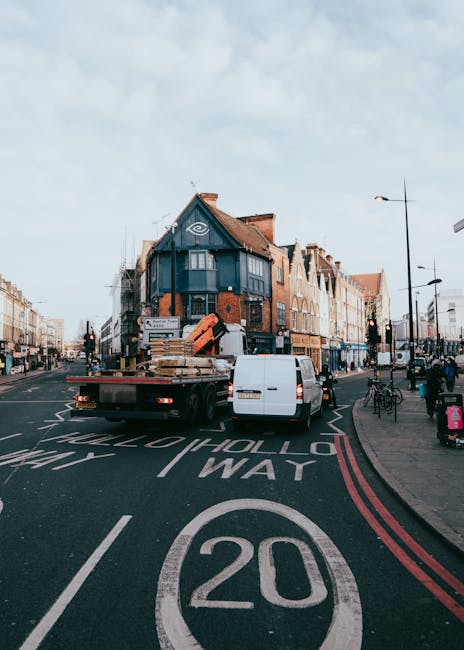
Why Best Loading Spots on New Malden High Street for Removals Matters
Loading is not just about where the van can physically stop. It affects the entire flow of the move. On a busy high street, a few extra metres can turn into several extra trips, more carrying time, and a lot more fatigue. For furniture removals, flat moves, or even a quick man and van job, the loading position is part of the strategy, not an afterthought.
New Malden High Street has the usual mix you would expect from a busy local centre: retail activity, deliveries, pedestrians, short-stay stopping pressure, and moments where everything feels busiest at once. The best loading spot is usually the one that balances access, safety, visibility, and minimum disruption. In practice, that means choosing a point where the removal van can get close enough to the property without blocking traffic or creating unnecessary risk.
There is also the human side. If you have ever watched a team carry a wardrobe across a cramped pavement while someone tries to squeeze past with shopping bags and a pushchair, you will know the vibe. Not ideal. The right loading spot reduces that friction. It makes the move look organised, and, more importantly, it actually is organised.
For people using removals in New Malden, the loading plan is one of the easiest ways to protect the schedule and avoid those last-minute little disasters that tend to snowball. A careful plan matters even more for heavier items, which is why many customers also review advice on lifting heavy objects safely and reducing strain during lifting before moving day.
How Best Loading Spots on New Malden High Street for Removals Works
Finding the best loading spot is really a small planning exercise. You look at the property, the street, the time of day, and the type of load. Then you decide where the van should stop, how far the team will carry items, and whether the route is clear enough for bulky furniture.
In simple terms, the process usually works like this:
- Assess the property entrance. Is it a flat above a shop, a house, or an office? Does the front door open directly onto the street, or is there a short path or shared entry?
- Check the nearest practical stopping point. The best place is often not directly outside the door. Sometimes a nearby bay, side access point, or wider stretch of road works better.
- Think about vehicle size. A removal van, a smaller Luton-style vehicle, or a man and van setup all need different amounts of space. What works for one may be awkward for another.
- Plan the walking route. Look for dropped kerbs, clear pavements, tight corners, steps, bins, railings, and street furniture. These small obstacles add up fast.
- Choose the least disruptive option. The best loading spot is not always the closest spot if that spot blocks access or puts people at risk.
There is no single magic bay that suits every move. To be fair, that would be too easy. The right choice depends on timing, road conditions, and the items being moved. A small student move may work from a brief stop with a couple of trips, while a house removals job with beds, wardrobes, and appliances usually needs a more deliberate setup.
If you are moving a flat or a mixed household load, it helps to pair parking planning with the right service. For example, a flat removals service in New Malden can be useful when stair access or shared entrances affect loading speed, while house removals are often better suited to more structured loading and unloading plans.
Key Benefits and Practical Advantages
A well-chosen loading spot does more than save a few minutes. It improves the whole moving experience in ways people often only notice once they have done both versions: the smooth one and the messy one.
- Shorter carry distances: Less distance from front door to van means less fatigue and lower damage risk.
- Faster loading: The team can keep a steady rhythm instead of pausing every few metres.
- Better safety: Fewer awkward lifts, fewer blocked walkways, and less chance of trips or knocks.
- Lower stress: Everyone knows where to go, where to park, and where the furniture is heading.
- Reduced chance of traffic conflict: A sensible loading point keeps the move from feeling chaotic to drivers, pedestrians, and neighbours.
Another advantage is time control. If your schedule is tight, a better loading spot can be the difference between finishing before school-run traffic builds up or still carrying boxes at the worst possible moment. And on New Malden High Street, that matters. The street can feel perfectly manageable at one time and surprisingly busy ten minutes later.
There is also a value point here. Good loading planning can reduce the need for extra labour, repeated trips, or larger vehicle use. If you are comparing service options, it is worth checking the full services overview and getting a clear sense of what is included. You may also want to look at pricing and quotes so you can match the move size to the right vehicle and crew.
| Loading choice | Best for | Upside | Possible drawback |
|---|---|---|---|
| Closest legal stopping point | Small moves, short carries | Fastest loading and unloading | May be unavailable at busy times |
| Nearby side road or quieter bay | Larger loads, longer moves | Often safer and less congested | Extra carry distance |
| Pre-arranged loading area | Planned removals, business moves | Predictable and efficient | Requires more coordination |
| Same-day opportunistic stop | Urgent or flexible jobs | Useful when time is tight | Less certainty, more risk of delays |
Who This Is For and When It Makes Sense
This topic is relevant to more people than you might think. If you are only moving a few boxes, you may assume any nearby stopping point will do. Sometimes that is fine. But on a busy high street, small decisions have a habit of becoming big ones.
It makes sense to plan loading spots carefully if you are:
- moving from a flat above shops or above a commercial property
- moving a family home with larger furniture
- using a man and van in New Malden for a half-day or smaller move
- handling student removals with mixed boxes, bags, and compact furniture
- moving heavy or awkward items such as pianos, beds, or appliances
- trying to finish the move in one trip because time is limited
It also makes sense when you are moving under time pressure. Same-day moves, late key handovers, or tight lift access can all make a good loading point more valuable. If your situation feels slightly messy already, that is normal. Most real moves do. The trick is to remove unnecessary friction wherever you can.
For heavier household items, loading plans should go hand in hand with specialist handling. That is especially true for beds and mattresses, where packing shape and carrying posture matter. A useful companion read is the art of packing and transporting your bed and mattress. If you are moving delicate or awkward items, piano removals in New Malden are a good example of why loading positioning and careful access planning really matter.
Step-by-Step Guidance
If you want a practical approach, use this sequence. It is simple, but it works.
- Walk the route before moving day. Stand outside the property and look at the street as if you were carrying a wardrobe through it. Where are the pinch points? Where does the pavement narrow? Where will people need to pass?
- Measure your biggest items. Sofas, mattresses, wardrobes, and desks are usually the troublemakers. Knowing the dimensions helps you judge whether a tighter loading point is realistic.
- Confirm the vehicle size. The van should suit the load and the street. A too-large vehicle can create parking headaches. Too small, and you end up doing extra rounds. Neither is great.
- Identify a primary loading spot and a fallback. Have Plan A and Plan B. If the first space is taken, you do not want to stop and re-think the whole morning.
- Prepare the property entrance. Clear hallway clutter, protect floors if needed, and make sure doors can open fully.
- Load the heaviest items first. That keeps the van balanced and makes the rest of the process easier.
- Leave room for a clean handoff. If someone needs to direct traffic, open gates, or coordinate boxes, give them space to do it.
A small example: if you are moving from a first-floor flat near the high street, the best stop might not be the closest one possible. A slightly wider bay a few doors away could make the entire carry safer, because it gives the team more room to manoeuvre and pass each other on the pavement without that awkward shoulder-shuffle people do when they are trying not to collide. You know the one.
And if you are packing as you go, it pays to prepare properly. This is where packing and boxes in New Malden can make the load more orderly, while practical packing advice can help reduce last-minute chaos.
Expert Tips for Better Results
Here is where a bit of experience helps. Not every good loading spot is obvious from the curb.
- Pick the spot with the cleanest approach, not just the shortest distance. A bay with a clear doorway route often beats a closer but awkward position.
- Avoid loading right next to obstacles. Bins, lamp posts, bollards, and railings can turn a straightforward carry into a clumsy one.
- Think in terms of flow. Where will the first item come from, where will the second item wait, and where will the van door open?
- Keep wet weather in mind. A loading point under a bit of cover, or at least away from standing water, can make a surprising difference in the UK. It is one of those small comforts people only appreciate when it is drizzling at 8:00 in the morning.
- Use temporary staging inside the property. A hall or landing staging point can prevent everyone bottlenecking at the front door.
- Match the plan to the contents. Furniture-heavy loads benefit from direct, wide access. Box-only moves are more forgiving.
A useful extra habit is to think about the first five minutes of the move, not just the last five. If the van arrives and nobody knows where it should stop, the whole day starts off on the wrong foot. That little pause can ripple out into a bigger delay than expected.
For trust and peace of mind, it is also sensible to use a provider with clear operational and safety information. Pages like the health and safety policy and insurance and safety guidance can help you understand how a professional team approaches risk and property care.
Common Mistakes to Avoid
Most loading problems come from a handful of predictable mistakes. The good news is that they are easy to avoid once you know what to look for.
- Assuming the closest space is automatically the best. Sometimes it is, sometimes it absolutely is not.
- Ignoring pedestrian flow. On a high street, you need to think about people walking, stopping, turning, and crossing.
- Forgetting the size of bulky items. A loading point that works for boxes may fail completely for a sofa or wardrobe.
- Not checking the exit route from the property. A great curbside spot is useless if the hallway is cluttered or the stairwell is too narrow.
- Leaving the plan to the last minute. This is the big one. If you are deciding where to stop after the van has already arrived, you have already lost time.
- Overlooking the weather and the road surface. Wet pavements and uneven kerbs can make carrying harder and less safe.
Another common issue is underestimating the impact of the move on your body. Even a short carry repeated many times can be tiring. If you want a better sense of the physical side, it is worth reading about safe lifting techniques before the day starts. It may feel a bit overcautious, but your back will not complain, which is always nice.
Also, do not make the mistake of packing perishables or delicate appliances without a proper plan. For example, if you are moving out with appliances or storage items, articles like freezer storage guidance and sofa storage advice can help you avoid damage before the van even gets there.
Tools, Resources and Recommendations
You do not need a complicated toolkit, but a few simple things can make loading much smoother.
- Measuring tape: Useful for checking bulky furniture and doorway widths.
- Furniture blankets and straps: Helps protect items during short loading walks.
- Trolley or sack truck: Helpful if there is a moderate carry from the van to the door.
- Box labels: Makes staging and unloading faster.
- Phone camera: Handy for photographing parking positions, access routes, or any pre-existing property marks.
- Bins, cones, or simple markers if appropriate: Only if legally and practically suitable, and never in a way that creates confusion or obstruction.
As for resources, a good removals company should be able to help you think through the loading plan before the day. If you want to understand the wider support available, you can review removal services in New Malden or browse man with a van options for smaller, more flexible jobs. If you are still deciding whether to keep items in between moves, storage in New Malden can sometimes reduce pressure on the loading day itself.
For people who are cutting down on clutter first, decluttering before moving is one of the smartest ways to simplify loading. Fewer items usually mean fewer decisions, and fewer decisions usually mean a calmer morning. Nice, really.
Law, Compliance, Standards, or Best Practice
Loading on a public high street is not just a practical question. It also sits within the usual expectations around road safety, considerate parking, and avoiding obstruction. Exact rules depend on location, signage, local restrictions, and the type of stopping point available, so it is always wise to check the local context rather than assume.
As a general best practice in the UK, removals should aim to:
- avoid blocking traffic flow unnecessarily
- keep pavements passable for pedestrians where possible
- respect time limits, loading bays, and any marked restrictions
- avoid unsafe lifting or carrying practices
- protect property and public areas from avoidable damage
If a loading spot looks questionable, it probably deserves a second look. That is not the same as saying "do not use it", because sometimes a short legal stop is perfectly fine. But if you are unsure, treat it carefully and check with the relevant local guidance or your removals provider. A good team will usually have experience with access planning and can tell you what is realistic.
Professional standards also matter around insurance, responsible handling, and customer communication. If you want extra reassurance, it is sensible to read about terms and conditions, privacy matters, and the company's complaints procedure. Not glamorous, maybe, but worth knowing before anything gets signed off.
Options, Methods, or Comparison Table
Different loading methods suit different types of removal. Here is a simple comparison to help you choose the right approach.
| Method | Best use | Strength | Watch-out |
|---|---|---|---|
| Direct curbside loading | Quick domestic moves with minimal access issues | Shortest carry and fast turnaround | Can be limited by space or parking restrictions |
| Offset loading from a nearby bay | Busy high street locations | Often easier to manage safely | Longer walk and more carrying |
| Staged loading from inside | Homes with tight front access | Reduces congestion at the door | Needs organisation and clear room |
| Timed loading with a smaller vehicle | Student moves or lighter loads | Flexible and often easier to position | May require more trips |
For a lot of people, the best answer is not the fanciest one. It is the one that keeps the day moving without drama. Sometimes that means a slightly longer walk. Sometimes it means a smaller van. Sometimes it means loading in stages because the hallway is narrow and you would rather not scrape the wall with a sideboard. Sensible wins.
If you are comparing service types, it can help to look at removal van options alongside removal companies in New Malden. The right choice depends on the size of the load, the access conditions, and how much support you want on the day.
Case Study or Real-World Example
Here is a realistic example. A couple moving from a first-floor flat near New Malden High Street had a sofa, a bed, several boxes, and a small dining table. The most obvious thought was to stop directly outside the building. But the pavement was narrow, the road was busier than expected mid-morning, and the doorway sat just off a sharper-than-ideal corner.
Instead, the team chose a slightly wider stopping point a short distance away where the van could park more safely and the carry route stayed clear. That added a few extra metres, yes. But the move felt more controlled. There was room to turn the sofa properly, no awkward waiting at the kerb, and pedestrians could pass without a series of apologetic sideways shuffles.
The key lesson was simple: the nearest space was not the best space. The best loading spot was the one that allowed the van, the property, and the people moving through it to all work together without friction. Truth be told, that is what good removals often look like. Nothing dramatic, just a lot of small sensible choices.
They also benefited from good preparation in advance. Boxes were labelled, fragile items were packed separately, and furniture had already been broken down where possible. That preparation ties neatly into pre-move cleaning and general prep advice like moving house in a calmer, more organised way.
Practical Checklist
Use this checklist the day before the move. It keeps things simple.
- Confirm the property address and exact access point.
- Check where the van is most likely to stop legally and safely.
- Measure any large furniture, especially sofas, wardrobes, beds, and appliances.
- Make sure the front entrance and hallway are clear.
- Label boxes clearly so the first unload is easy.
- Decide who will guide the van if needed.
- Have a backup loading spot in mind.
- Check for roadworks, delivery activity, or event-related congestion.
- Prepare protective materials for items that could scuff or scratch.
- Keep essentials separate so you are not hunting for them mid-move.
Expert summary: the best loading spot is usually the one that gives you the safest, clearest, and least interrupted path between the property and the van. Shorter is better, but only if it stays practical. Smooth access beats heroic parking every time.
Conclusion
Choosing the best loading spots on New Malden High Street for removals is really about reducing friction. A smart loading plan saves time, protects your items, and keeps the move feeling under control from the first box to the last. On a busy high street, that matters more than many people realise.
Whether you are moving a small flat, a family home, or a few heavy items, the same rule applies: look for the safest workable access point, plan the carry route, and leave yourself a fallback. That little bit of forethought can turn a hectic morning into a manageable one. And that's what most people want, really - not a perfect move, just a calm one.
Get a free quote today and see how much you can save.
If you are preparing your move now, it is worth comparing the practical side of the journey with the service you choose. Browse removals in New Malden, check student removals if you are moving on a tighter budget, or explore about us to understand the team behind the service. A little planning now can make the day itself feel far less heavy, in every sense.