Coombe Lane antique removals secure packing and transit tips KT3

If you are moving antiques around Coombe Lane or anywhere in KT3, the stakes feel a bit higher than with ordinary boxes and furniture. A chip on a dining chair leg, a cracked mirror frame, or one loose drawer in the back of a van can turn a straightforward move into an expensive headache. That is exactly why Coombe Lane antique removals secure packing and transit tips KT3 matter so much: they help you protect the story, value, and finish of items that are often irreplaceable.
This guide pulls the job apart in plain English. You will see how careful packing works, what secure transit actually looks like on a local move, which mistakes cause the most damage, and how to decide whether you need a specialist mover, extra packing help, or simply a smarter plan. To be fair, antique moving is not glamorous. It is about patience, good materials, and a steady hand. But done well, it saves stress, money, and a few heart-in-mouth moments on moving day.
- Why it matters
- How secure packing and transit works
- Key benefits
- Who needs this approach
- Step-by-step guidance
- Expert tips
- Common mistakes to avoid
- Tools and resources
- Law, compliance and best practice
- Options and comparison
- Real-world example
- Practical checklist
- Conclusion
- Frequently asked questions
Why Coombe Lane antique removals secure packing and transit tips KT3 Matters
Antiques are not just old items. They are often delicate, sentimental, and structurally less forgiving than modern furniture. Veneers lift, joints loosen, brass fittings bend, and surface finishes can mark far too easily. Add a narrow hallway, a kerbside load, or a bumpy van journey through local streets, and even a short move can go wrong quickly.
In KT3, many homes include older furniture, inherited pieces, and the sort of family items that have lived through several generations. That creates a different kind of moving problem. A basic "wrap it and hope for the best" approach is rarely enough. Secure packing matters because antiques can shift, rub, and absorb vibration in transit. Once that happens, damage often shows up later, not instantly. That is the annoying bit. Everything may look fine until a drawer sticks, a veneer edge lifts, or a frame starts creaking the next day.
Careful removals are also about practical timing. Streets around Coombe Lane can be tight, parking can be awkward, and loading may need a bit of coordination. If your mover has a sensible plan for access, route, wrapping, and stacking, the whole move feels calmer. Not easy, but calmer.
There is also a trust element. A mover who understands antiques should be able to explain their process clearly: what gets wrapped first, how they protect corners, how they secure the load, and how they handle items with glass, carved wood, or loose parts. If that explanation is vague, that is your clue to ask more questions.
Expert summary: Antique moving is really three jobs at once: protect the item, protect the finish, and protect the route. If one of those is weak, the move becomes risky. Good packing and transit planning closes all three gaps.
How Coombe Lane antique removals secure packing and transit tips KT3 Works
Secure antique removals usually follow a simple but disciplined sequence. First comes assessment. The mover looks at the item's size, weight, finish, age, fragility, and any problem areas. A cabinet with glass doors needs a different plan from a solid oak chest, and both differ from a mirror, a grandfather clock, or a delicate side table with thin legs.
Then comes preparation. Drawers may be emptied, loose shelves removed, handles checked, and any detached parts bagged and labelled. That sounds obvious, but it is one of those steps that gets skipped when people are in a rush. You know the sort of day: the kettle is boiling, the phone will not stop, and suddenly someone is trying to carry a chest of drawers with the contents still inside. Not ideal.
After that, the item is wrapped in layers. In most cases, specialists use a soft first layer to prevent scuffing, then a more protective outer layer for impact control. Corners and protruding features get extra attention. Glass may need additional cushioning and rigid support. The aim is not to smother the piece in tape and plastic. It is to stabilise it without trapping moisture or creating pressure points.
Transit planning comes next. Secure loading means the item is positioned so it cannot slide, tip, or rub against harder objects. The van load should be balanced, with heavier items anchored and fragile pieces kept away from compressive weight. Sometimes the best position is upright. Sometimes it is on a padded base. Sometimes it should travel in a certain orientation only. There is no one-size-fits-all answer, which is why the initial assessment matters.
On local KT3 journeys, the route may be short, but the risk is still real. Speed bumps, braking, tight turns, and sudden stops all create movement inside a van. Even a few minutes of poor load security can undo very careful wrapping. That is why secure transit is not just about the wrap. It is about restraint, spacing, and a driver who knows how to move gently.
If packing is being handled as part of a broader home move, it may help to review a dedicated packing service such as packing and unpacking services or support from a broader local removals team like removal services. Those pages are useful if you want the packing stage to be built into the move rather than treated as an afterthought.
Key Benefits and Practical Advantages
When antique removals are handled properly, the benefits go beyond avoiding damage. You get a move that feels more organised, less stressful, and much easier to control. That may sound a bit neat on paper, but in real life it shows up in small ways: fewer panicked calls, less last-minute rewrapping, no mystery scratches, and no awkward "was that already there?" conversations at delivery.
- Less risk of surface damage: Good packing protects polish, veneer, carvings, and delicate finishes from scuffs and rubbing.
- Better structural stability: Proper support helps stop joints, legs, and frames from flexing during transit.
- Safer handling: Clear wrapping and secure labels make it easier for movers to lift and place items correctly.
- Reduced stress on moving day: When each item has a plan, the whole process feels more under control.
- More predictable delivery: Secure transit lowers the chance of last-minute delays caused by repacking or damage checks.
- Better suitability for mixed loads: Antiques can travel alongside other household goods without being crushed or squeezed.
There is also a subtle financial benefit. Even if an antique is not museum-grade, the cost of repair can be surprisingly high once you factor in specialist restorers, matching finishes, replacement glass, or the time involved in sourcing parts. And if a piece has sentimental value, no repair quote really solves the whole problem, does it?
Another practical upside is that good preparation makes access easier. A wrapped and labelled piece is quicker to move through a narrow hallway, down stairs, or into a waiting van. That matters in older KT3 properties where doorways and turning space can be awkward. A few minutes saved at each stage can turn into a noticeably smoother move.
Who This Is For and When It Makes Sense
This approach makes sense for anyone moving items that would not survive rough handling very well. If you own a single antique table, the principles still apply. If you are moving an inherited house full of furniture, the need becomes much more obvious.
It is especially relevant if you are:
- moving from a period home with furniture inherited over many years
- relocating across KT3 and want to minimise handling time
- selling or transferring valuable family pieces
- moving an item with glass, mirrors, marquetry, carvings, or fragile legs
- combining antiques with standard household contents in one van
- planning a move where parking, stairs, or access may complicate loading
It also makes sense if you simply do not want to take chances. Some people are perfectly happy wrapping their own books and kitchenware, but feel uneasy with a Victorian chair or an old display cabinet. That is a healthy instinct. Antiques ask for a different level of care.
If you are comparing removal options, it helps to look at the wider type of move too. A specialist may be best if you are handling a full property, while a smaller flexible option such as man and van removals or man and van can work well for fewer items, provided the packing is still done properly. The size of the vehicle is not the only question. The important thing is whether the mover understands fragile handling.
Step-by-Step Guidance
Here is a practical way to approach antique packing and transit without turning the job into a weekend-long drama.
1. Assess each item carefully
Look for weak joints, loose handles, chipped edges, cracked glass, surface lifting, and any sections that wobble. If something already has damage, note it before the move so it can be handled gently and identified later if needed.
2. Clear and separate loose parts
Remove drawers if safe to do so, pack shelves separately, and take off detachable ornaments or fittings. Put screws, handles, and small fixtures into labelled bags. One tiny bag can save an entire afternoon of confusion. Honestly, they vanish if you blink.
3. Choose the right packing materials
Use soft materials for the first layer and firmer protection for the outer layer. Fragile surfaces need cushioning, but they also need to breathe a little. Avoid direct contact between hard surfaces and finish-sensitive items.
4. Protect corners and vulnerable edges
Most antique damage begins at corners, handles, protrusions, and feet. These should be reinforced before the full wrap goes on. If the item has carved detail, the wrap must support the shape without flattening or pressing into it.
5. Label the item clearly
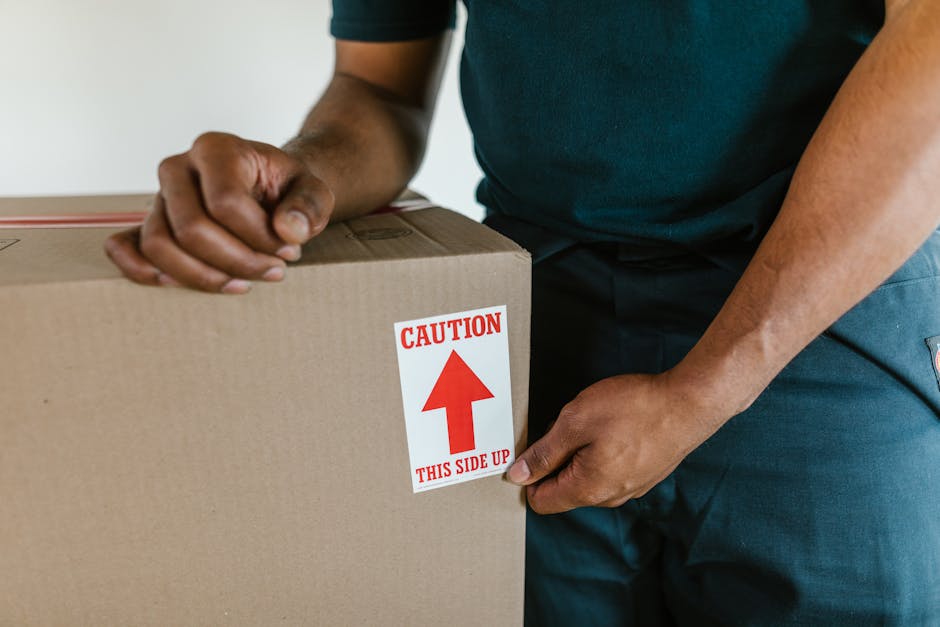
Mark which way is up, whether it is fragile, and whether it contains loose parts. Labels do not guarantee perfect handling, of course, but they reduce avoidable mistakes. A mover should not have to guess.
6. Load with spacing and restraint
Never let an antique sit loose in the van. It should be secured so it cannot move during braking or cornering. Heavier items should not crush lighter ones. If a piece needs to travel upright, keep it upright and brace it properly.
7. Recheck after loading and after transit
Before the van moves off, the load should be checked. If the route is longer or conditions change, a second check at the destination is sensible too. It sounds fussy, but this is where many problems are avoided.
8. Unwrap with the same patience you used to pack
Rushing at the end defeats the whole point. Unwrap slowly, inspect surfaces, and place the item on a clean, stable surface. If you spot movement or minor damage, photograph it straight away and compare it to your pre-move notes.
Expert Tips for Better Results
Here is where a bit of judgement makes all the difference. Good antique handling is not just about wrapping; it is about understanding what the item is likely to dislike. Temperature swings, pressure points, and loose movement are the usual culprits.
Tip 1: Treat value and fragility as different things. A cheap-looking item can be very fragile, while an expensive one may be surprisingly robust. Do not assume based on appearance. Examine the construction, not just the price tag.
Tip 2: Keep antiques away from mixed rough loads. Tools, metal stands, boxes with sharp edges, and heavy appliances should not share tight contact space with antique furniture. One small knock in the wrong place can leave a permanent mark.
Tip 3: Mind the weather. A damp morning, a cold van interior, or a bit of drizzle while loading can affect delicate finishes. That does not mean you should cancel everything over a passing shower, but it does mean more care, more drying space, and fewer shortcuts.
Tip 4: Photograph items before packing. A quick set of photos gives you a useful record of condition and helps everyone stay clear about pre-existing marks. It is a small thing, but a genuinely useful one.
Tip 5: Ask about insurance before moving day. You want to know what cover exists, what is excluded, and whether the mover's process fits the level of care your items need. If anything is unclear, ask again. Twice if needed.
Tip 6: Use labels that describe the handling, not just the item. "Fragile" is fine, but "this side up," "glass front," or "do not stack" is better. It gives the mover a clearer job.
Tip 7: Leave enough time. Antique packing done in a rush is where mistakes creep in. A calm hour is better than ten frantic minutes. Usually. There are always exceptions, but not many.
If you are moving a larger home contents load, it can be worth reading about related packing approaches too, especially for awkward items such as sofas or mattresses. For that kind of planning, sofa preservation advice and packing and transporting a bed and mattress can give you a broader sense of how good preparation reduces damage across the whole move.
Common Mistakes to Avoid
Antique removals often go wrong for boring reasons. Not dramatic reasons. Boring ones. A small oversight, a missing label, a poor lifting angle, and suddenly a piece has been stressed more than anyone expected.
- Using too little padding: Thin wrapping may stop dust but does little against vibration or impact.
- Over-wrapping delicate surfaces: Too much pressure can leave marks or stress fragile joints.
- Leaving loose parts attached: Handles, shelves, glass panels, and ornaments often need separate handling.
- Stacking heavy items on top: This is one of the fastest ways to crush vulnerable furniture.
- Ignoring access issues: A safe item can still be damaged if it catches on stairs, doors, or tight corners.
- Skipping condition photos: Without a record, it becomes harder to tell what happened before and after the move.
- Rushing unloading: The destination is not the time to get casual. That last ten feet matters.
Another common issue is assuming a local move needs less preparation. Short trip, short risk, right? Not really. A ten-minute journey over uneven roads can still jostle a badly secured item. The distance matters less than the quality of the packing and loading.
Tools, Resources and Recommendations
You do not need a warehouse full of equipment to move antiques properly. What you do need is the right combination of wrapping materials, lifting support, and a clear plan.
| Item | Why it helps | Best used for |
|---|---|---|
| Soft wrapping material | Protects finishes from scuffs and rubbing | Wood, painted surfaces, decorative trim |
| Padding or cushioning sheets | Absorbs minor knocks and vibration | Frames, table edges, cabinet sides |
| Strong outer wrap | Helps keep layers secure in transit | Fully prepared antique pieces |
| Labels and markers | Communicates fragile handling needs | All boxed parts and wrapped furniture |
| Furniture blankets | Adds a thicker protective layer | Larger antique furniture |
| Straps and restraints | Prevents movement in the van | Secure loading and transport |
| Rigid corner support | Protects weak points from pressure | Cabinets, mirrors, framed pieces |
For mixed moves, a broader moving service may be worth considering if you need both packing and transport in one arrangement. Services such as removal company, removal companies, or a more general removals option can be helpful when you want the job handled end-to-end rather than pieced together yourself.
If the move also includes waste clearances or unwanted items, it is wise to think about sustainability and disposal separately, not as an afterthought. A page like recycling and sustainability is a useful reminder that not everything needs to end up in landfill if it can be reused or processed properly.
Law, Compliance, Standards, or Best Practice
Antique removals are not usually about complex legal procedures, but there are still important standards and duties to keep in mind. The main one is simple: goods should be handled with reasonable care, and any transporter or removal provider should be clear about their responsibilities, limits, and insurance arrangements.
In the UK, customers should expect transparent information about pricing, conditions of service, and any exclusions that apply to fragile or high-value items. If an item needs special handling, that should be discussed in advance rather than discovered at the kerbside. It is also sensible to check that the mover follows basic health and safety practice for lifting, securing loads, and working safely in homes and on public streets.
For local moves, parking and loading arrangements may also matter. If access is restricted or a bay must be used, the mover should plan for that properly and not leave the issue until arrival. A bit of paperwork and planning can save a very messy morning.
If you are comparing providers, the clearest signs of good practice are usually straightforward: written terms, sensible communication, condition awareness, and a calm process for fragile items. You do not need theatrics. You need competence. And maybe a person who knows when to stop talking and start wrapping.
It can also help to review a company's safety and operational standards before booking. Pages such as health and safety policy, insurance and safety, and terms and conditions are the sort of references that give you a clearer picture of how seriously a mover treats risk and responsibility.
Options, Methods, or Comparison Table
There are several ways to handle antique removals, and the best choice depends on the item, distance, and how much help you want. Here is a practical comparison.
| Approach | Best for | Pros | Trade-offs |
|---|---|---|---|
| Self-packing with hired transport | Small numbers of sturdy antiques | Lower service cost, flexible timing | You carry the packing risk yourself |
| Partial packing support | Mixed moves with a few fragile pieces | Good balance of control and help | Needs clear coordination |
| Full packing and removals service | Valuable, fragile, or numerous antiques | Less stress, more consistency | Usually the most expensive option |
| Dedicated specialist handling | High-value or unusually delicate items | Best protection and tailored care | May require more notice and planning |
For many KT3 households, the middle ground works well: the mover handles the heavy lifting and transit security, while the customer gives a full item list and flags anything particularly delicate. That said, if the piece is genuinely precious or awkward, do not compromise for the sake of convenience. Better to over-prepare than under-react.
If your move is part of a larger home relocation, the guidance on home moves or a broader house removals service may be the best starting point for comparing what level of support you need.
Case Study or Real-World Example
A typical local example is a KT3 family moving from a semi-detached house with a few inherited pieces: a mahogany sideboard, an oval mirror, two small display cabinets, and a nest of tables. Nothing outrageous, but each item had a slightly different weak point. The sideboard had old drawer runners, the mirror frame had a loose edge, and one cabinet had glass panels that rattled lightly if knocked.
The family spent a little time before the move photographing each item and emptying the drawers. The mover wrapped the mirror separately, added corner support to the cabinets, and secured the sideboard so the doors could not swing open in transit. Loading took longer than a basic furniture run, sure, but not by much. The key was that nothing was rushed.
At the destination, each item was unloaded in the order it had been loaded. That small habit matters more than most people expect. It keeps the process logical, reduces handling mistakes, and means the most fragile pieces are dealt with while everyone is still focused. No dashing about, no hunting for the right blanket, no "where did we put that screw bag?" moment. Well, fewer of those moments.
By the end, the move felt uneventful, which is exactly the point. Antique removals should be unremarkable in the best possible way. You want the items to arrive looking like themselves, not like they went ten rounds with the van.
Practical Checklist
Use this checklist before moving day. It keeps the job grounded and stops small things slipping through the cracks.
- Identify every antique item that needs special care
- Photograph each item and note existing marks or wear
- Remove loose parts, shelves, or detachable fittings where safe
- Bag and label screws, handles, and small accessories
- Choose suitable packing materials for the surface and shape
- Add extra protection to corners, legs, mirrors, and glass
- Mark items clearly with handling instructions
- Confirm loading access, parking, and any stair or doorway concerns
- Ask about insurance and responsibility for fragile items
- Make sure the van load will be secured, not just stacked
- Prepare a clean space for unwrapping at the destination
- Inspect each item again after delivery before signing anything off
That list looks simple, but in practice it covers most of the pain points that create damage or delay.
Conclusion
Coombe Lane antique removals secure packing and transit tips KT3 are really about discipline, not drama. If you assess the item properly, wrap it carefully, secure it in the van, and keep the route and access plan realistic, you dramatically reduce the chance of damage. That is true whether you are moving one treasured cabinet or several generations of family furniture.
The real win is peace of mind. You know what is being protected, why it matters, and how the move will unfold. And once the antiques are settled safely in the new place, the whole house starts to feel a little more like home again.
If you are planning a KT3 move and want a smoother experience from packing through to delivery, it is worth reviewing the support options early and choosing the level of care that matches the items, not just the budget. A thoughtful plan now saves a lot of crossed fingers later.
Get a free quote today and see how much you can save.
Frequently Asked Questions
What makes antique removals different from standard house removals?
Antique removals need more attention to fragile surfaces, joints, glass, and finishes. Standard removals focus mainly on safe transport, while antiques also need item-by-item assessment, careful wrapping, and secure load positioning.
Do I need specialist packing materials for antiques?
Usually, yes. At the very least, you want soft protective layers, padding for vulnerable areas, and something sturdy to prevent movement in transit. The exact materials depend on the item's shape and finish.
Can I move antiques myself in a small van?
You can move some smaller and sturdier pieces yourself, but the risk rises quickly with fragile, heavy, or valuable items. If the item has glass, thin legs, or loose joints, professional handling is usually the safer choice.
How far in advance should I arrange antique removals in KT3?
As early as you can, especially if you have several delicate items or need packing help as well as transport. Early booking leaves time to assess the items and plan access properly.
What should I photograph before the move?
Take clear photos of each antique item, including close-ups of any existing marks, cracks, chips, or worn areas. A quick photo record helps confirm condition before packing and after delivery.
How are mirrors and glass-fronted antiques protected?
They are normally wrapped with extra care, cushioned around the edges, and kept away from pressure points in the vehicle. The key is support, not just covering. Glass needs space to breathe, so to speak.
Is it safer to move antiques upright or flat?
It depends on the item. Some pieces travel best upright with support, while others need a flat, padded position. A good mover decides based on the structure and fragility of the item, not a blanket rule.
What if my antique already has damage?
That is fine, but it should be noted before the move. Existing damage does not stop a safe move; it just means extra care and clear condition records are important.
Do local KT3 moves still need insurance checks?
Yes. Short journeys still carry risk from loading, unloading, and road movement. It is sensible to check what cover is included and what exclusions apply before moving day.
How do I choose between a full removals service and man and van help?
If you have only a few manageable items, man and van help may be enough. If you have valuable antiques, awkward access, or a larger household move, a fuller removals service may be the better fit.
What are the most common causes of antique damage in transit?
Usually it is movement, poor corner protection, stacking pressure, or rushing. The item may survive the journey itself, then get damaged while being loaded, shifted, or set down too quickly.
Where can I find more information about moving support and booking?
It is helpful to look at local service details such as pricing and quotes and contact us if you want to compare options and ask about the care needed for fragile items.