Garage & Garden Waste Solutions for KT3 Residents
Posted on 18/06/2026
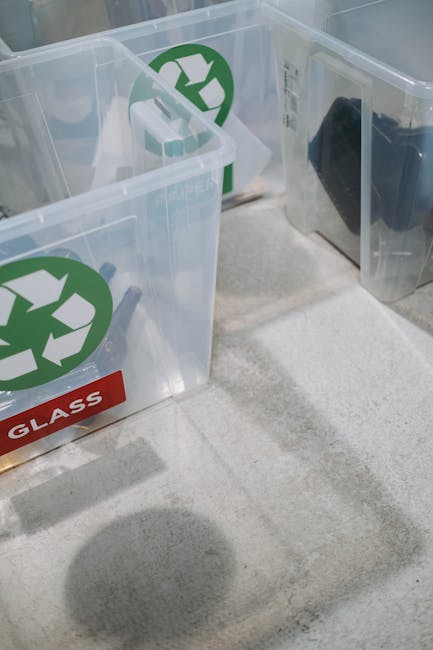
Garage & Garden Waste Solutions for KT3 Residents
If your garage has turned into a half-storage room, half-dumping ground, you are not alone. Old paint tins, broken planters, hedge cuttings, cardboard, timber offcuts, and the odd mystery item with no obvious home can pile up quickly. Garage & Garden Waste Solutions for KT3 Residents is really about getting that mess cleared safely, sensibly, and with as little stress as possible. It is not just a tidy-up job. It is about reclaiming usable space, reducing hazards, and making sure unwanted waste is handled properly rather than left to grow into a bigger problem.
In KT3 homes, where space can be precious and access can be a bit fiddly, the right approach matters. A quick sort-out can save you a Saturday of frustration and a sore back. And, to be fair, most people only realise how much waste they have once they start moving things around. Below, you will find a practical guide to what garage and garden clearance actually involves, how it works, what to avoid, and how to decide which solution makes the most sense for your home.
Why Garage & Garden Waste Solutions for KT3 Residents Matters
Garage and garden waste is often a slow-burn problem. One weekend it is a broken chair and a pile of trimmings. A month later, there is old decking, cracked pots, a rusting bike, leftover soil, and three bags of "I'll deal with that later." The issue is not only clutter. Waste left unmanaged can attract damp, pests, sharp edges, mould, and avoidable trip hazards. It can also block access to bins, tools, meters, and vehicles.
For KT3 residents, local living patterns make this especially relevant. Many homes have limited outdoor storage, shared side access, or garages that need to serve several purposes at once. That means waste builds up in visible, inconvenient places. If you also have a move, a renovation, or a seasonal garden clear-up on the horizon, garage and garden waste can quickly become the thing that slows everything else down.
There is also the emotional side of it, though people rarely say that out loud. Clutter has a way of making a home feel unfinished. You open the garage door and instead of finding your lawnmower or spare bike tyres, you see a stack of awkward rubbish you have been stepping around for months. It is draining. A proper clearance restores a sense of control.
If you are already planning wider decluttering, it can help to read practical decluttering tips for movers, because the same mindset applies here: sort first, move second, and do not let "maybe useful" items take over the whole process.
How Garage & Garden Waste Solutions for KT3 Residents Works
At a practical level, this kind of service usually follows a straightforward process. The exact details can vary depending on the amount of waste, how easy it is to access, and whether the items are mixed waste, recyclable materials, green waste, or bulky objects. The key is to separate what can be reused, recycled, or donated from what truly needs disposal.
In a typical garage or garden clearance, the workflow often looks like this:
- Initial walk-through: A quick review of the items to understand volume, weight, and access.
- Sorting: Waste is split into categories such as green waste, wood, metal, cardboard, rubble, and general rubbish.
- Safe handling: Heavy or awkward items are moved carefully to avoid injury or damage.
- Loading: Waste is taken out in an organised way so the job stays efficient and tidy.
- Responsible disposal: Items are sent to the appropriate disposal or recycling route wherever possible.
This is also where good planning matters. A garage full of mixed household waste takes longer than a pile of lawn clippings, and a garden clearance after pruning season is very different from removing an old shed. A smart approach does not treat all waste the same. It looks at what is there, what can be separated, and what needs careful handling.
If your clearance is happening alongside a move, it can be useful to think in stages. The article on moving house in a relaxed and stress-free way explains why sorting unwanted items early makes the rest of the move feel lighter. That is especially true for garages, which often contain the last things people pack and the first things they wish they had dealt with sooner.
A small but important point: garage waste often includes items that are not just "rubbish" in the everyday sense. Paint, oils, solvents, batteries, fluorescent tubes, and some garden chemicals may need special care. You do not want those mixed in with ordinary refuse. Not worth the risk, honestly.
Key Benefits and Practical Advantages
The benefits of clearing garage and garden waste go beyond having a cleaner-looking space. The real payoff is in function, safety, and peace of mind. Once the clutter is gone, you can actually use the area again.
- Better use of space: Garages can return to parking, storage, or workshop use rather than becoming a dumping zone.
- Improved safety: Fewer sharp objects, unstable stacks, slippery patches, and hidden hazards.
- Cleaner access: Easier movement for bins, tools, bikes, lawn equipment, and cars.
- Less stress: A clearer home feels easier to manage day to day.
- More responsible disposal: Recyclables and green waste can be separated more thoughtfully.
There is also a practical efficiency gain. If you ever try to do a garden clear-up, then realise the garage is still full of old bags, broken fencing, and unused plant pots, the job instantly becomes twice as annoying. A joined-up clearance prevents that stop-start feeling.
People sometimes ask whether they should just hire a skip. Sometimes yes, sometimes no. A skip can make sense for large, mixed volumes, but it needs loading space, time, and a decent idea of what can legally go in it. A staffed clearance approach can be quicker if you have limited access or a tricky mix of waste types. For a busy weekend, that difference can matter a lot.
If your waste is tied to renovation or furniture changes, you may also find solutions for bulky items and tight access useful, because the same access challenges often crop up in garages and side alleys.
Expert summary: The best garage and garden waste solution is not always the fastest or cheapest on paper. It is the one that removes the right items safely, separates recyclable material properly, and leaves you with genuinely usable space afterwards.
Who This Is For and When It Makes Sense
This kind of clearance is useful for a lot of different KT3 residents, not just people doing a full house overhaul. In real life, it tends to suit anyone who has reached that point where the mess is becoming harder to ignore than to deal with.
You may need a garage or garden waste solution if you are:
- Preparing for a house move and want to reduce the load
- Cleaning out a garage that has become overfilled over time
- Tidying a garden after pruning, landscaping, or storm damage
- Removing bulky, broken, or unsafe items from outside storage
- Making space for a car, bike, tools, or a new project
- Dealing with waste after a rental changeover or property sale
It also makes sense for people who are not physically comfortable lifting awkward objects. Let's face it, a waterlogged fence panel or a bag of damp cuttings is not as light as it looks. If you need a reminder on safe movement techniques, the article on lifting heavy objects safely is a helpful read. And yes, your back will thank you later.
Families often use this sort of service before school holidays or spring cleaning. Older residents may use it because the garage has become too awkward to manage alone. Small landlords and tenants may need it for end-of-tenancy clear-outs. There is no single profile. The common thread is simple: too much waste, too little time, or too much hassle to handle it properly on your own.
Step-by-Step Guidance
A tidy result starts with a tidy process. If you try to clear everything in one chaotic sweep, you often end up moving rubbish from one side of the property to the other. Better to work methodically.
1. Decide what counts as waste
Start by separating actual waste from items that could still be used. A cracked watering can may be waste; a working hedge trimmer may just need cleaning and storage. The distinction matters, because once good items go into the waste pile, they usually disappear for good.
2. Split the load into categories
Group items by type. Green waste, timber, cardboard, metal, rubble, plastics, and household junk are easier to handle separately. This makes disposal more efficient and can improve recycling outcomes.
3. Check for restricted or sensitive materials
Paint, oil, gas canisters, chemicals, batteries, and similar materials should be treated carefully. If you are unsure, do not guess. Keep them aside and handle them according to the correct guidance for that item type.
4. Remove reusable items first
Before anything is hauled away, look for usable items that could be sold, donated, reused, or stored elsewhere. Old shelves, garden furniture, tools, and containers can sometimes have a second life. This is one of the easiest ways to reduce waste volume.
5. Clear pathways before lifting
Make sure there is a safe route from the garage or garden to the collection point. It sounds obvious, but it is the bit people forget when they are halfway into the job. You do not want to be sidestepping bikes, hoses, and bins while carrying a heavy sack.
6. Load in a sensible order
Heavier items go in first, lighter and crushable items later. Keep sharp or messy items contained. If you are using a van, plan the order so you do not trap smaller pieces underneath awkward lumps of wood.
7. Finish with a sweep-through
Once the waste is gone, do a final check for nails, screws, broken glass, soil spills, and wet patches. A garage or garden space often looks "done" before it actually is. A proper sweep stops the half-finished feeling.
If your project is linked to a larger move, the article on packing efficiently for a house move shows why sorting the easy wins first can save an entire day of faffing about.
Expert Tips for Better Results
Here is the part where small decisions make a surprisingly big difference. Most clearance jobs are not ruined by one huge mistake. They are slowed down by a dozen tiny ones.
- Use the weather to your advantage: Dry days are better for garden waste, damp cardboard, and anything that can turn soggy fast.
- Break down bulky items early: Old shelving, fence panels, and flat-pack leftovers take up less space when dismantled.
- Keep green waste separate: Branches, grass, and hedge cuttings are easier to manage when they are not mixed with general rubbish.
- Label your piles: Even a simple "keep", "recycle", "waste", and "unsure" system helps avoid second-guessing.
- Protect floors and surfaces: Cardboard or dust sheets can help if you are dragging out dirty items.
- Think about storage before disposal: Sometimes the real problem is not waste volume, but bad storage habits.
One thing that often gets overlooked is timing. If you are clearing before a move, do the garage first and the garden second, or the other way round, but not both at full intensity on the same afternoon unless you enjoy chaos. By about 4 p.m., everything tends to look heavier. It just does.
For residents who want a better long-term setup, it can help to read about smart storage habits. The principle is similar: if items are stored properly from the start, they are less likely to become waste later.
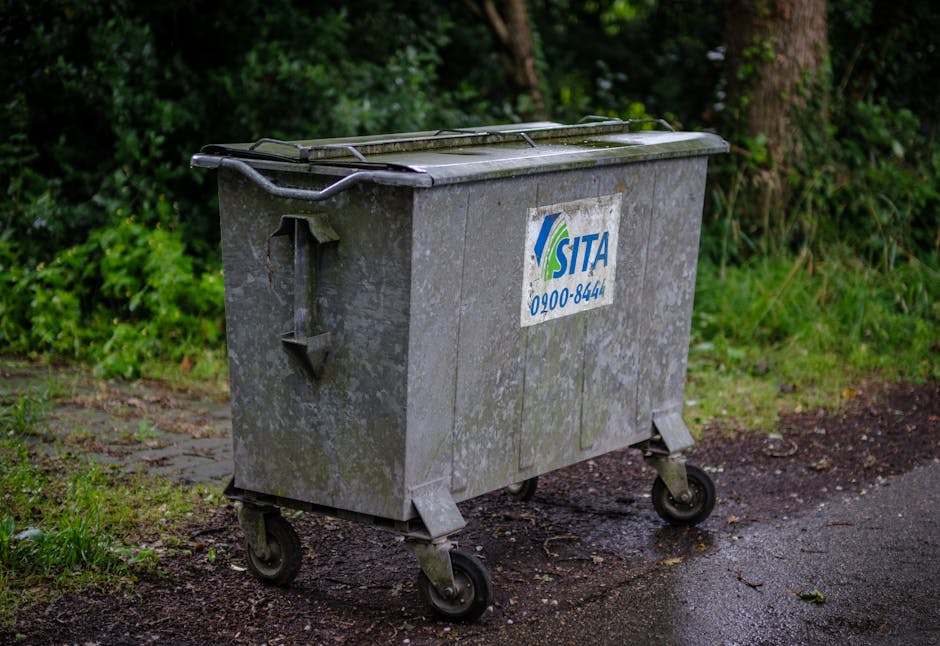
Common Mistakes to Avoid
It is easy to make a clearance job harder than it needs to be. Most mistakes come from rushing, underestimating volume, or treating every item the same.
- Mixing everything together: Recyclables, green waste, and general rubbish should not all be thrown into one pile if it can be avoided.
- Underestimating weight: Soil bags, wet branches, bricks, and old timber can be far heavier than they look.
- Ignoring access: Narrow side paths, low gates, and uneven paving can turn a simple lift into a clumsy one.
- Leaving hazardous items for later: Paints, oils, and batteries should not be forgotten in the corner "for next time".
- Using storage as a delay tactic: Moving waste from the garage to the shed is not a solution. It is a reshuffle.
- Starting without a plan: A rough order of work saves time and reduces frustration.
A very common issue in KT3 homes is trying to clear the garage while the drive or front path is still full of garden waste bags, broken pots, and old Christmas storage. Then you have nowhere to stage the next load. That is a small detail, but it can slow the whole job to a crawl.
Another mistake is assuming all clearance options are the same. They are not. Some work better for bulky junk, some for green waste, some for mixed materials, and some for urgent same-day needs. Choosing badly can cost you time and, frankly, a bit of patience too.
Tools, Resources and Recommendations
You do not need a workshop full of kit to clear a garage or garden properly. But a few basic tools make the process safer and less messy.
Useful tools for DIY sorting
- Heavy-duty gloves
- Strong refuse sacks or rubble sacks
- Dustpan and brush
- Tarpaulin or old sheets for staging waste
- Wheelbarrow or sack truck for heavier loads
- Labels or marker pens for sorting piles
- Sturdy shoes with a closed toe
When professional help is worth considering
Professional support is often the better option when the waste is bulky, awkward, time-sensitive, or spread across several areas. If you have a garage full of mixed items and a garden that still needs finishing, a coordinated clearance can save a lot of back-and-forth. The same is true if you are arranging house moves, because waste tends to multiply the closer you get to moving day.
Some residents also combine waste clearance with packing and removals. In those cases, a broader service can be more practical than juggling three separate jobs. If that sounds like you, it may be worth looking at the full range of removal services available and deciding how much of the work you want handled in one go.
If your project includes furniture or awkward indoor items leaving via the garage, the guide to furniture removals in New Malden may also be useful, especially where access is tight or there are heavy pieces to manoeuvre.
Law, Compliance, Standards, or Best Practice
When garage or garden waste is being cleared, the main principle is straightforward: waste should be handled responsibly and passed on through suitable disposal or recycling routes. In the UK, householders are generally expected to take reasonable care that waste does not end up fly-tipped or handled by an unlicensed operator. That does not mean you need to become an expert overnight, but it does mean asking sensible questions before handing items over.
Good practice usually includes:
- Keeping hazardous materials separate from general waste
- Using appropriate containers for sharp or messy items
- Checking that recyclables are not being needlessly mixed with landfill waste
- Making sure whoever removes the waste is acting responsibly
- Keeping records or receipts where useful for your own peace of mind
For garden waste, there is also a practical environmental angle. Green waste can often be handled differently from general rubbish, which is why it makes sense to sort it properly. Soil, cuttings, wood, and rubble all behave differently in transport and disposal. Treating them as one category is a bit like putting wet grass and broken glass in the same bag. Not ideal, and not kind to whoever handles it next.
Health and safety matters too. Sharp metal, broken glass, mouldy soft furnishings, and heavy compacted loads all create avoidable risks. If you want to understand how a responsible operator thinks about risk, the page on health and safety practice provides a useful reference point.
And if you are comparing providers, it is wise to check insurance and service terms carefully. A clearance that looks cheap can become expensive if the process is unclear or if items are not handled properly. There is nothing glamorous about that kind of surprise.
Options, Methods, or Comparison Table
There are several ways KT3 residents can tackle garage and garden waste. The best choice depends on volume, item type, timing, and how much lifting you want to do yourself.
| Method | Best for | Pros | Watch out for |
|---|---|---|---|
| DIY local tip runs | Small, manageable loads | Can be cost-conscious and flexible | Time, vehicle space, lifting effort, and multiple trips |
| Skip hire | Large mixed volumes over several days | Good for ongoing renovations or bigger clear-outs | Needs space, loading discipline, and the right sizing |
| Man and van clearance | Bulky waste, fast turnarounds, awkward access | Quick collection, less heavy lifting for you | Needs clear communication about waste type and access |
| Mixed home clearance support | Garages, gardens, and indoor clutter together | Efficient if you are clearing more than one area | Planning matters so the job does not sprawl |
There is no "best" option in every case. A small pile of hedge trimmings is not the same as a garage full of broken furniture and old storage boxes. The right choice is the one that fits the load without creating extra hassle.
If you are trying to balance flexibility and convenience, the article on avoiding hidden fees in removals pricing can help you think about the questions worth asking before booking anything.
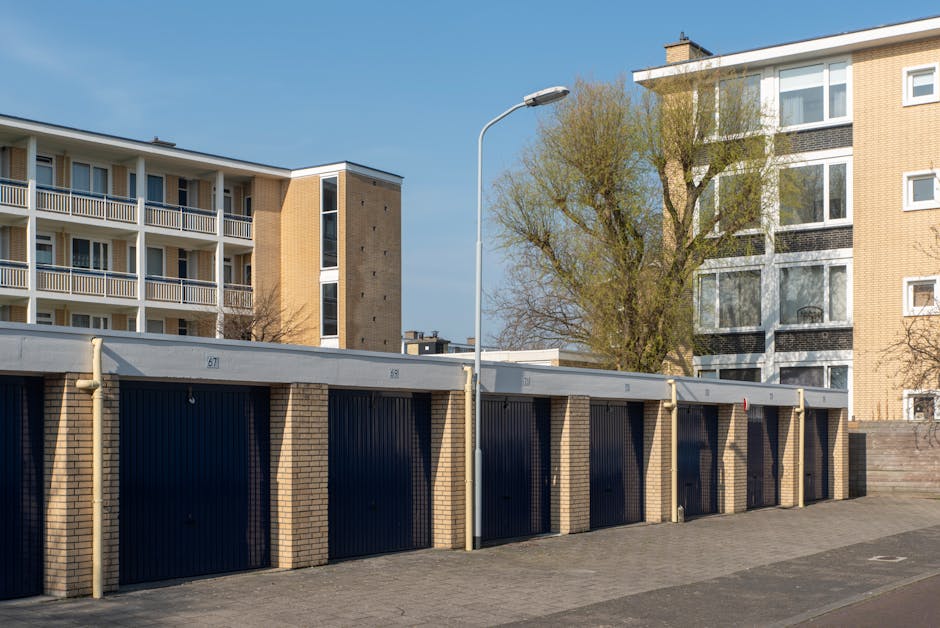
Case Study or Real-World Example
Imagine a typical KT3 household after a long wet winter. The garage has become a storage overflow area: old plant pots, a damaged garden chair, a pile of cardboard, some timber offcuts, bags of leaves, and a few bits of broken fencing. The back corner has also collected a tired bike, a half-used sack of compost, and a box of mixed household odds and ends.
At first glance, it looks like one huge job. In practice, it breaks down neatly if you approach it well. The green waste is separated from the cardboard. The timber is stacked apart from the general rubbish. The reusable garden tools are kept. The broken chair and damaged fencing are set aside for disposal. Once the routes are clear, the whole garage becomes easier to empty than expected.
The surprise, usually, is how much room comes back once the mixed piles are gone. You suddenly see the floor again. The smell changes too; less damp cardboard, less old leaf mould, more clean air moving through the space. It feels like a different room, even if all you did was remove the things that did not belong there any more.
That kind of result is why so many people pair waste clearance with broader home organisation. If your clear-out is part of a bigger move or reset, you might also find cleaning before relocating useful for keeping the rest of the property in order while the outside space is being tackled.
Practical Checklist
Use this before you start, or before a clearance team arrives. It keeps the job focused and prevents the classic "what on earth do we do with this?" moment.
- Identify all garage and garden waste areas
- Separate reusable items from true rubbish
- Group green waste, wood, metal, cardboard, and general waste
- Put hazardous items aside for special handling
- Check access routes, gates, paths, and parking space
- Protect floors and surfaces if items are dirty or sharp
- Make sure heavy items are lifted safely or not lifted at all by hand
- Decide whether you need a one-off clearance or a larger removals arrangement
- Confirm what happens to recyclable and bulky items
- Do a final sweep for nails, screws, glass, and spillages
A quick checklist sounds simple, but it stops a lot of unnecessary backtracking. And backtracking is where time quietly disappears.
Get a free quote today and see how much you can save.
Conclusion
Garage and garden waste rarely becomes a problem all at once. It builds slowly, item by item, until the space is no longer useful in the way you intended. The good news is that it is fixable. With the right approach, you can clear clutter safely, reduce stress, and make the space work for you again.
For KT3 residents, the smartest solution is usually the one that matches the scale of the job and respects the reality of your access, timing, and waste types. Sometimes that means a simple sort-and-load. Sometimes it means a more structured clearance. Either way, the result should be the same: less mess, more room, and a home that feels easier to live in. Small victory, yes. But a very welcome one.
If you are ready to reclaim your garage or garden, start with the waste that is easiest to separate and build from there. One clear bag, one empty corner, one less thing to step over. That is how it starts.