Kingston Council Permit Guide for New Malden Removals
Posted on 26/06/2026

If you are planning a move in New Malden, the permit side of things can feel like the least exciting part of the day. Yet it is often the bit that decides whether the van parks neatly outside, the loading starts on time, and nobody ends up doing the awkward dance of carrying boxes half a street away in the rain. This Kingston Council Permit Guide for New Malden Removals breaks everything down in plain English so you can plan properly, avoid avoidable delays, and move with far less stress.
In practice, the main issue is usually simple: do you need permission to stop where you want, for how long, and under what conditions? The answer depends on the road, the parking controls in place, the size of the vehicle, and how the move is being carried out. It sounds bureaucratic because, well, it is a little bureaucratic. But once you understand the basics, it becomes manageable.
Below you will find a practical guide to permits, loading considerations, common pitfalls, and the best way to organise a move in and around New Malden without creating headaches for yourself on moving day.
Why Kingston Council Permit Guide for New Malden Removals Matters
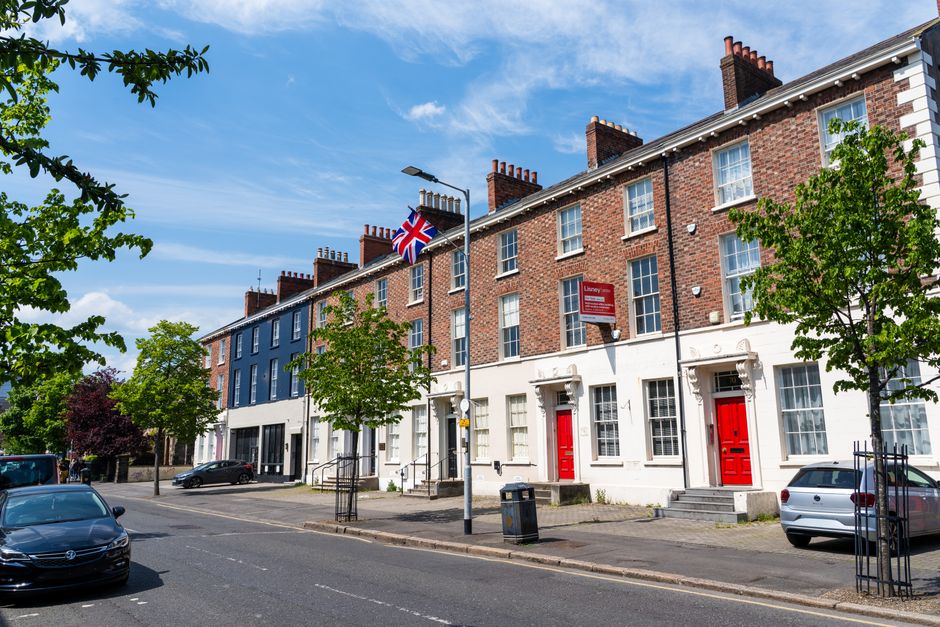
Permits matter because removal vehicles do not always fit neatly into everyday parking. New Malden has a mix of residential streets, busier routes, flats with tighter access, and roads where parking bays or restrictions can make a straightforward move suddenly more complicated. If the van cannot stop near the property, everything slows down. You may need extra carrying distance, more time, more labour, and sometimes a second pair of hands just to keep things moving.
There is also the question of fairness to neighbours and other road users. A removal van that blocks a junction, sits in a restricted bay, or causes congestion can lead to complaints, penalty notices, or a very uncomfortable conversation with a traffic warden. Nobody wants that on moving day. Not when there are sofas, beds, and a box of oddly labelled cables still to go.
From a planning perspective, knowing the permit rules early gives you control. You can line up the right parking arrangement, choose a realistic time slot, and avoid that all-too-familiar moving-day scramble where someone is waving from the front door while the driver circles the block. To be fair, that scene is almost a rite of passage for poorly planned moves.
If your move also involves decluttering before departure, it is worth reading these decluttering tips for movers so you are not paying to transport items you no longer need. Less clutter means less loading time, and that can make a permit window far easier to manage.
How Kingston Council Permit Guide for New Malden Removals Works
At a practical level, the process usually starts with identifying whether the road outside your property has controlled parking, loading restrictions, single yellow lines, resident bays, or other conditions. If a removal vehicle needs to stop in a place that is not automatically available, you may need to arrange permission in advance or use a compliant alternative.
The exact arrangement depends on the location and the type of road space involved. Some streets allow loading for a short period under certain conditions, while others require a more formal permit or suspension. The key is not to assume. A van can look fine parked for five minutes and still be in the wrong place. That is one of those annoying truths of city moving.
For many New Malden moves, the practical question is less about legal theory and more about logistics: where will the vehicle sit, how long will loading take, and is there enough room for a safe path between property and van? A couple of metres can make a big difference, especially when there is a wardrobe frame or mattress involved. If you have dealt with tight access before, you will know exactly what that means.
Some homes also need a broader moving plan, not just a parking plan. For example, if you are moving large items or awkward furniture, a guide such as solutions for big furniture and tight stairs can help you think through the physical side as well as the parking side.
In short, the permit process is about matching the vehicle, the street, and the timing to the actual conditions on the day. That is the whole game really.
Key Benefits and Practical Advantages
A good permit plan does more than avoid tickets. It improves the entire moving experience. When the van can get close to the property and the stop is properly thought through, you reduce carrying distance, protect your belongings, and make the job feel calmer from the first lift to the final unload.
- Less time wasted: Fewer detours, less waiting, and less back-and-forth between the property and vehicle.
- Safer handling: Shorter carry distances reduce strain and lower the chance of bumps, drops, or rushed lifting.
- Better timing: The loading schedule becomes more realistic, which matters if you are working to a completion time or key handover.
- Lower stress: The day feels more controlled when parking is already resolved.
- Better neighbour relations: You are less likely to block access or create unnecessary disruption.
There is also a financial side. If a vehicle has to park further away, movers may need more labour time or an additional vehicle movement. That can affect the overall cost. If you are trying to keep the move efficient, it is worth understanding the pricing implications too. The article on avoid hidden fees in New Malden removals pricing is a useful companion read for that reason.
And yes, permits can save the day in ways people do not always expect. One calm loading space outside a flat in the morning can prevent half an hour of faffing around later. Half an hour does not sound like much. On moving day, it feels like a tea break that never ends.
Who This Is For and When It Makes Sense
This guide is for anyone moving from, to, or within New Malden where the vehicle cannot simply park off-street or in unrestricted space. That includes houses on tighter residential roads, maisonettes, flats, ground-floor units with bay parking outside, and properties near busier local routes where stopping rules are more demanding.
It also makes sense for people who are using larger removal vehicles, moving on a weekday with time pressure, or handling a move with extra-heavy items. If you are transporting a piano, for example, parking and access planning become more than a nice-to-have. They are part of the safety plan. A careful read of expert handling in piano relocation can be surprisingly useful if your move includes delicate or oversized items.
Students moving between rented properties in KT3, families shifting between homes, and small businesses relocating office furniture all face different pressures, but the same principle applies: if the van cannot legally and safely stop, the whole job becomes harder. If you are arranging a student move, you might also find student removals in New Malden helpful as part of your planning.
So when does a permit make sense? Usually when:
- the road outside is controlled or restricted
- the vehicle would need to stop in a bay that is not automatically available
- the move requires prolonged loading or unloading
- access is tight and close parking really matters
- you want to reduce risk on a busy or narrow street
That last point is easy to overlook. Sometimes the smartest move is not the nearest space, but the safest workable one.
Step-by-Step Guidance
Here is a practical, no-drama way to approach the permit side of a New Malden move.
- Check the street conditions outside both properties. Look for bays, yellow lines, timed restrictions, resident controls, and any obvious loading limits. If you are unsure, treat it as restricted until confirmed otherwise.
- Estimate how long loading will take. A small flat move and a family house move are not the same thing. Beds, wardrobes, and boxed kitchenware take longer than people expect, especially when stair turns are involved.
- Plan the vehicle size early. A larger van may carry more in one go, but it may also be harder to position on a narrower road. Matching vehicle size to access is a sensible bit of planning, not overthinking.
- Arrange the parking solution in advance. Depending on the road, this may mean a formal permit, a temporary arrangement, or a carefully timed loading plan.
- Prepare items so the loading window is used well. Pack and label boxes before the van arrives. The article on effortless packing for a house move is useful if you want to cut dead time.
- Keep the access route clear. Hallways, doors, and stairwells should be free of clutter. One stray suitcase can slow everything down in a way that feels almost rude.
- Protect the heaviest items first. Sofas, mattresses, appliances, and tall furniture should be ready before the van arrives so loading can happen in the right order.
If your move involves an office, you may need an even tighter schedule. Access windows, building rules, and parking permissions can all interact. For business moves, it is worth reviewing office removals in New Malden and planning around building access hours rather than just the van's availability.
A good rule of thumb: do the permission side first, then the packing side, then the loading day. Not the other way round. People sometimes reverse it, and it never ends elegantly.
Expert Tips for Better Results
After enough moves, a few patterns become obvious. The jobs that run smoothly are rarely the ones with the fanciest van or the biggest checklist. They are the ones where access, timing, and packing all line up.
Keep a buffer in your schedule. A 9:00 a.m. loading slot can quickly become 9:20 if another vehicle is in the bay or the lift is slower than expected. Build in breathing room where you can. It is a small thing, but it matters.
Split fragile and awkward items from standard boxes. That way, the team loading the vehicle can move efficiently without pausing every few minutes to puzzle over what can be stacked and what cannot. For delicate belongings, something like expert sofa storage advice may also help if you are placing items into temporary storage before or after the move.
Do not leave appliance prep until the morning. Freezers, washers, and tall units take a bit of care before transport. If you are storing an appliance or moving it out of use for a while, the guide on freezer longevity when not in use is a good practical companion.
Use the right number of hands. Some objects really should not be shifted solo. It is tempting, I know, especially when you are trying to save a bit of time. But there is no medal for wrestling a heavy sideboard down a stairwell on your own. For that kind of thing, read safe techniques for lifting heavy objects and still err on the side of caution.
Think beyond the move itself. If you are clearing a property rather than fully relocating, local waste and clearance planning may matter too. The article on garage and garden waste solutions for KT3 residents is handy for that side of the job.
One more thing: if the day is already feeling hectic, keep water, keys, and phone chargers easy to reach. The basics disappear at speed when boxes start moving. Strange but true.

Common Mistakes to Avoid
The biggest mistakes are not usually dramatic. They are simple oversights that stack up. A narrow street ignored, a loading window underestimated, or a van booked without checking parking conditions can turn a decent plan into a long one.
- Assuming the space will be free: Streets fill up quickly, even on quieter days.
- Forgetting about restrictions: A bay or line that looks usable may still carry time limits or permit requirements.
- Booking the wrong vehicle size: Too small means extra trips; too large can make parking harder.
- Leaving packing too late: The permit window may be shorter than your actual loading time.
- Not planning for stairs or long carries: Distance and access matter more than people expect.
- Ignoring neighbour and building rules: Flats and managed properties often add another layer of access control.
There is also a practical mistake people make when they try to save money by skipping planning. It can end up costing more. If the van has to wait, if loading takes longer, or if a backup vehicle is needed, the savings disappear fast. The guide on best loading spots on New Malden High Street for removals may help you think more strategically about where your vehicle can stop.
Truth be told, the cleanest moves are often the boring ones. And boring is good here.
Tools, Resources and Recommendations
You do not need a mountain of equipment, but a few sensible tools make the permit and loading process far easier.
- Measuring tape: Useful for checking furniture dimensions, doorway clearances, and whether items will fit through the entrance without dismantling.
- Labels and marker pens: Helps speed up loading and unloading, especially if items need to be prioritised.
- Blankets and straps: Good for protecting furniture and keeping items secure in transit.
- Phone notes or a simple checklist: Handy for tracking arrival time, parking arrangements, and any access instructions.
- Furniture sliders or trolleys: Useful for short distances, but only where the surface and item type make them appropriate.
For practical moving preparation, these pages are worth keeping in mind: packing and boxes in New Malden for supplies and house removals in New Malden if you want a broader service overview.
If you are comparing moving support, a general services overview can help you see how removal help, packing support, storage, and van hire style services sit together. It is easier to make a sensible choice when the options are clear in one place.
And if timing is tight, a same-day solution may be more relevant than a drawn-out plan. That is where same-day removals in New Malden can fit into a short-notice move, provided access is still workable.
Law, Compliance, Standards, or Best Practice
This is the section most people skim, and then regret it later. Parking and loading are not just convenience issues; they are tied to road safety, traffic management, and local restrictions. While every move is different, the safe approach is to assume that any controlled parking area needs checking before you rely on it for a removal vehicle.
Good practice usually means respecting designated loading rules, avoiding unnecessary obstruction, and making sure the vehicle is parked in a way that does not create risk for pedestrians, cyclists, or passing traffic. That is especially important around busier sections of New Malden or on streets where visibility is limited.
There is also the matter of duty of care during handling. Heavy lifting should be done in a way that reduces injury risk. That is why professional movers place so much emphasis on planning the carry route, using enough people, and choosing the right equipment. If you are interested in the physical side of handling, kinetic lifting and muscular health and moving house in a relaxed and stress-free manner both support a more considered approach.
For businesses and landlords, compliance can also involve site rules, insurance expectations, and building management requirements. If that is your situation, it is worth aligning your move with clear internal procedures. The page on insurance and safety can be a useful reference point when you are weighing up risk and responsibility.
Best practice, in plain terms, means this: check first, plan second, load third. Anything else is a gamble, and not a fun one.
Options, Methods, or Comparison Table
Depending on your property and timing, there are a few ways to handle the permit and parking side of a removal. The best choice depends on access, road restrictions, and how much time your move will need.
| Option | Best for | Pros | Watch-outs |
|---|---|---|---|
| Short loading stop in a suitable bay | Small moves, light loads, quick turnaround | Fast, simple, minimal disruption | Only works if the bay and timing genuinely allow it |
| Formal parking or loading permit | Longer loading sessions or restricted roads | More predictable, better for planned removals | Needs lead time and careful coordination |
| Vehicle parked further away | When close access is unavailable | Can still work if the route is manageable | More carrying, more time, more strain |
| Timed early-morning move | Busy roads or limited parking turnover | Better chance of finding space | Requires everyone to be ready early, which is never beloved |
The right option is often a mix of planning and realism. If the street is difficult, it may be wiser to choose a smaller van with a cleaner loading strategy rather than hoping a big vehicle will somehow fit where it clearly will not.
Case Study or Real-World Example
A recent-style scenario might look like this. A couple were moving from a first-floor flat in New Malden to a nearby house, and they initially assumed they could just park outside the building and load quickly. The problem was that the street had limited stopping space and the available bay turned over slowly. On paper it looked fine. In practice, it was not ideal at all.
Once the access was reviewed properly, the move plan changed. Boxes were packed the day before, the largest items were dismantled in advance, and the loading sequence was organised so the heaviest furniture went first. That meant no frantic reshuffling on the pavement and no wasted time trying to decide what should be loaded next. The move felt calmer, and the whole thing finished with less fuss than expected.
The key lesson was not just about permits. It was about seeing the move as one system. Parking, packing, carry route, and vehicle size all affected one another. When one part improved, the others followed. You see this a lot, actually. The better the access plan, the more relaxed the whole day becomes.
If the move had involved temporary storage, a page like storage in New Malden would have been the logical next step to keep the project moving without cramming everything into a single day.
Practical Checklist
Use this checklist before moving day. It is simple, but it catches the common stuff.
- Confirm the road outside both properties and note any parking controls
- Check whether a permit, loading arrangement, or timed stop is needed
- Measure large furniture and identify items that need dismantling
- Pack and label boxes well before the van arrives
- Set aside fragile items separately
- Make sure stairwells, hallways, and doorways are clear
- Decide on the best van size for the route and access
- Build a small time buffer into the schedule
- Prepare keys, phone chargers, and essential documents
- Keep drinks and basic snacks ready; a moving day without water is a bit grim
- Review any building, landlord, or neighbour instructions
- Have a backup plan if the preferred bay or space is unavailable
If you are still at the early planning stage, the page on removals in New Malden can help you shape the bigger picture, while man with a van in New Malden and man and van in New Malden are useful when comparing smaller-scale moving options.
Get a free quote today and see how much you can save.
Conclusion
The permit side of moving in New Malden does not need to be stressful. Once you understand how parking controls, access, and loading time fit together, the whole job becomes much easier to manage. That is really what this guide is for: turning a confusing bit of local moving admin into something you can handle with confidence.
Plan the parking early, pack in a sensible order, and make sure the vehicle choice suits the street rather than fighting it. Do that, and you are already ahead of the game. A good move is not always about speed. Often it is about avoiding the small problems that create the big delays.
And if the day still feels a little full-on, that is normal. Most moves do. But with the right permit plan in place, you give yourself a far better chance of keeping things steady, safe, and surprisingly smooth.