Removals Guide for KT3 Terraced Homes: Narrow Street Tips
Moving out of a terraced home in KT3 can feel straightforward on paper, then suddenly the street outside tells a different story. Parked cars, tight front steps, neighbours coming and going, a van that looks a bit too large for the lane, and boxes that seem to multiply overnight... sound familiar? This Removals Guide for KT3 Terraced Homes: Narrow Street Tips is written for exactly that kind of move.
The aim is simple: help you plan a safer, calmer, less awkward removal day in a part of New Malden where access, timing and preparation matter just as much as the loading itself. Whether you are moving family furniture, a student flat's worth of belongings, or a whole house, the difference is usually in the details. A little extra planning goes a long way, to be fair.
You will find practical steps, local access advice, realistic pitfalls to avoid, and a few service links if you want support with the move itself. If you are comparing options, you may also find it useful to look at removals in New Malden, house removals for local moves, and flat removals in New Malden for more context on service types.
Table of Contents
- Why Removals Guide for KT3 Terraced Homes: Narrow Street Tips Matters
- How Removals Guide for KT3 Terraced Homes: Narrow Street Tips Works
- Key Benefits and Practical Advantages
- Who This Is For and When It Makes Sense
- Step-by-Step Guidance
- Expert Tips for Better Results
- Common Mistakes to Avoid
- Tools, Resources and Recommendations
- Law, Compliance, Standards, or Best Practice
- Options, Methods, or Comparison Table
- Case Study or Real-World Example
- Practical Checklist
- Conclusion
- Frequently Asked Questions
Why Removals Guide for KT3 Terraced Homes: Narrow Street Tips Matters
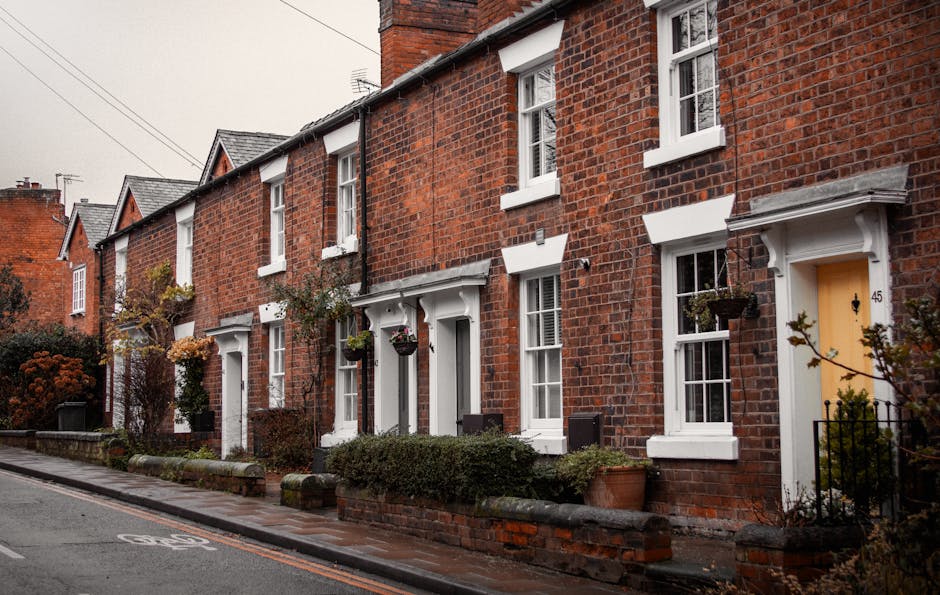
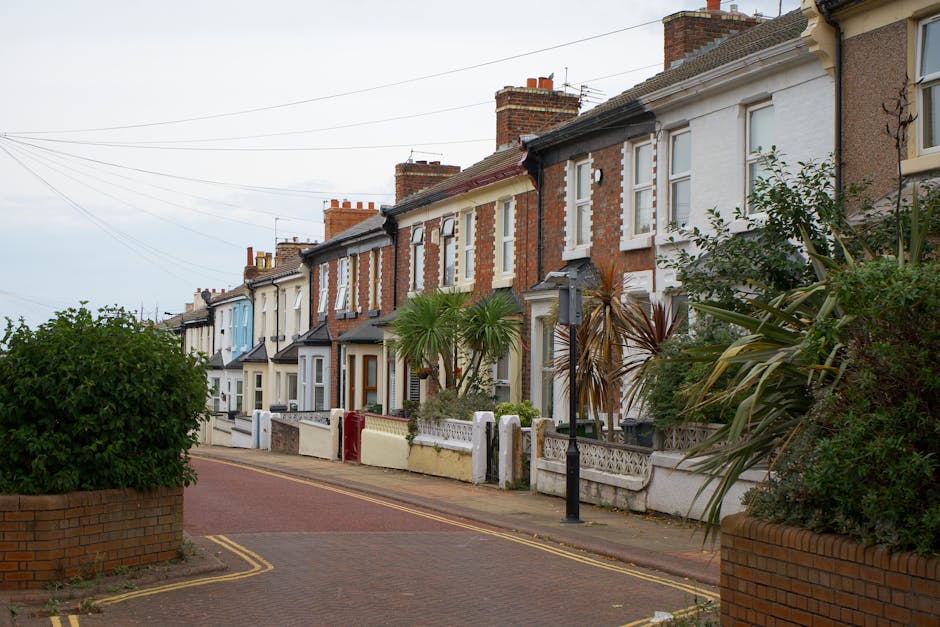
Terraced homes in KT3 often come with charm, character, and access that is, shall we say, not designed around large removal lorries. Narrow streets, limited front garden space, shared boundaries, and closely parked vehicles can turn a routine move into a logistics puzzle. That is why a location-specific approach matters. You are not just moving items out of a property; you are managing a small chain of decisions that all affect one another.
In practical terms, the biggest challenge is usually access. If a vehicle cannot park close enough, everything takes longer. If the van blocks a road that already feels tight, neighbours may need to pass carefully. If there are steep steps or a narrow hallway, the team may need to dismantle furniture before it will fit. These are not problems in the dramatic sense, but they do affect time, cost and stress.
Another reason this guide matters is protection. A rushed move in a narrow street can lead to scuffed walls, broken lamp shades, scratched furniture, or avoidable strain on the people doing the lifting. A good plan reduces all of that. If you want to understand how equipment and handling choices affect the move, the guide on safe lifting and kinetic technique is a useful companion read.
There is also a human side. In terraced streets, people notice what is happening. The van door opens, cardboard taps against a step, someone calls out for a second pair of hands, and the whole street becomes part of the process. A respectful, organised move makes a good impression and keeps relations with neighbours calm. Simple, but important.
How Removals Guide for KT3 Terraced Homes: Narrow Street Tips Works
The best way to handle a terraced-home removal is to work backwards from the street. Start with the road outside, then the front access, then the contents inside the house. That order sounds obvious, yet many people do the reverse and only think about access once the boxes are packed. By then, the awkward bits are already on your shoulders.
Here is the basic flow:
- Check the street access. Look at width, parking restrictions, traffic flow, and how close a vehicle can realistically get to the door.
- Measure the large items. Sofas, wardrobes, beds, appliances, and pianos need special attention. A few centimetres can decide whether something turns the corner or not.
- Plan the packing order. Pack by priority, fragility, and weight. Do not bury the kettle under all the bedding if you want first-night basics quickly.
- Prepare the property. Clear hallways, protect floors, remove loose rugs, and make sure keys, parking details and access codes are ready.
- Load in a sensible sequence. The heaviest and most robust items usually go first, but the exact order depends on the van layout and delivery priorities.
- Leave a buffer. Traffic, parking, and stair access can all add time. A little slack in the plan stops the whole day feeling frantic.
On a narrow street, the removal team may use a smaller vehicle, shuttle loads, or stage items closer to the van entrance. In some cases, a man and van service in New Malden is a better fit than a large lorry because it is easier to position and quicker to manoeuvre. Not always, but often enough to be worth considering.
For larger or more complicated moves, the practical difference between a standard setup and a well-planned one can be dramatic. The move still needs muscle, obviously, but it also needs coordination. That is the bit people forget.
Key Benefits and Practical Advantages
A good removals plan for KT3 terraced homes offers more than convenience. It reduces friction across the whole day and helps you stay in control when the street is doing its best to be inconvenient.
- Less carrying distance: A closer parking position means fewer steps, fewer trips, and less risk of damage.
- Lower chance of damage: Well-planned routes protect walls, stair rails, door frames, and the furniture itself.
- Better time control: When access is mapped out in advance, delays are easier to avoid or at least absorb.
- Safer lifting: Fewer rushed turns and awkward carries means less strain on your back, shoulders, and hands.
- Less neighbour disruption: Thoughtful timing and parking etiquette keep things smoother for everyone.
- Cleaner unpacking: If boxes are packed properly and labelled clearly, the first night in the new home feels a lot more manageable.
There is a real comfort in knowing that the sofa will get out without a battle at the front door. Same with beds, wardrobes and washing machines. You do not want to discover a problem while the item is halfway through the hall. That is the sort of moment that makes people mutter into their tea.
For storage-heavy moves, a sensible plan can also help you decide what stays put for now and what travels later. If you need temporary space, see storage options in New Malden and the practical advice in sofa preservation and storage guidance.
Who This Is For and When It Makes Sense
This guide is useful for anyone moving from a terraced home in KT3, but it is especially relevant if your move involves tight access, on-street parking, or heavy items that do not enjoy staircases. That covers quite a lot of people, truth be told.
You will benefit most if you are:
- moving from a traditional terraced house with a narrow front path or hallway
- trying to manage the move on a street with limited parking
- moving family furniture, white goods, or fragile items
- trying to keep costs sensible by avoiding unnecessary delays
- moving with children, older relatives, or pets and need the day to stay orderly
- planning a student, rental, or same-day move and need quick coordination
It also makes sense if you are not doing a full house move but still need a professional approach for awkward pieces. For example, a heavy wardrobe, a piano, or a deep sofa can create the same access issues as a larger move. In those cases, specialist support can be the difference between a simple day and a very long one. If that sounds familiar, the pages on furniture removals and piano removals in New Malden may be worth a look.
And yes, if you are thinking, "It's only a short move, do I really need all this?" the answer is often yes. Short-distance moves can be surprisingly fiddly because people underestimate them. The street does not care that you are only going two roads away.
Step-by-Step Guidance
Below is a practical sequence you can follow to make a terraced-home move easier from start to finish. It is not fancy. It just works.
1) Walk the route before moving day
Stand outside the property and look at the route from the front door to the van. Check for low branches, narrow sections, parked cars, bins, steps, slick surfaces and anything else that could interrupt the flow. If you can, do this at the same time of day as the move so you see the street as it really behaves.
2) Measure the awkward items
Do not guess. Measure the sofa height, wardrobe width, mattress depth and anything else that might snag on the way out. A measuring tape is boring, yes, but it saves you from trying to angle a bulky item through a doorway at 8:15 in the morning while everyone is still half awake.
3) Decide what needs dismantling
Some furniture will go through as one piece; some will not. Beds, tables, shelving, and wardrobes often need partial dismantling. Keep screws, bolts, and fittings in labelled bags. A small bit of organisation here prevents a big headache later. For bedding and mattress handling, this article on packing and transporting beds and mattresses is especially handy.
4) Pack for access, not just for storage
Pack the items you will need first in clearly marked boxes. Keep heavy items in smaller boxes. Wrap breakables properly and avoid overfilling. If you want a cleaner packing rhythm, these packing tips for moving house give a solid foundation.
5) Clear the hall and stairs
Terraced house staircases can be awkwardly narrow. Remove runners, shoes, coats, baskets, and anything else that narrows the passage. The fewer obstacles, the better. It sounds basic because it is basic. But basic is good when boxes are involved.
6) Book the right vehicle and crew
Choose a vehicle that matches access conditions. Sometimes a smaller van is more efficient than trying to force a larger vehicle into a street that simply does not want one there. If you need a lighter-touch local move, a removal van service in New Malden can be a practical fit. For broader support, the removal services overview is a useful starting point.
7) Protect surfaces and high-contact points
Use floor coverings, furniture blankets, edge protection, and gloves where needed. This is especially worthwhile in older terraces where paintwork, bannisters and thresholds can mark easily. A little care goes a long way.
8) Load in a controlled order
Load the van so the heaviest and least fragile items are secure first, then layer in boxes and delicate items as needed. Keep essentials accessible if they will be needed quickly at the other end. If a move involves valuable or delicate items, the general principles in expert piano relocation handling show how careful positioning makes a difference.
9) Do a final walkthrough
Before leaving, check cupboards, loft access, under stairs, sheds, and behind doors. People always forget one thing. Always. A quick sweep saves you that awkward realisation halfway down the road.
10) Settle essentials first at the new place
Place beds, kettle, toiletries, chargers, and key documents somewhere easy to reach. If you have young children or a late finish, this is the moment where moving day starts to feel like an actual home again.
Expert Tips for Better Results
The following details are small, but in terraced-home removals small details can do a lot of heavy lifting. Literally, sometimes.
- Use soft tie points in the van: This stops furniture shifting when the vehicle brakes or turns on a tight road.
- Keep a parking backup plan: If your first choice is blocked, know where the nearest workable fallback is.
- Label by room and priority: "Kitchen - first night" is more helpful than "Misc box 4".
- Separate cables and fittings: Wrap them in small bags and tape them to the item they belong to when safe to do so.
- Protect the corners: Terraced homes often have tight inner turns where furniture corners take a knock.
- Schedule around traffic where possible: Early starts can make access easier, though they are not everyone's favourite thing. Fair enough.
There is also a mindset tip worth mentioning: do not try to make the street work like a warehouse dock. It will not. Accepting the limits of the environment helps you choose the right vehicle, pace and manpower from the start. That's the real trick.
If you are moving on a strict timetable, the article on how to move house in a more relaxed, stress-free way is a sensible companion read. It keeps the planning side steady when everything else is noisy and busy.
Common Mistakes to Avoid
A lot of moving-day trouble comes from things people could have spotted earlier. That is frustrating, but also useful, because it means many problems are preventable.
- Underestimating access: A van can technically fit in a street and still be a poor choice for the job.
- Leaving packing too late: Rushing leads to poor box weights, missing labels, and broken items.
- Ignoring furniture dimensions: A sofa that fits a lounge may still get stuck on the way out.
- Not clearing pathways: Small obstacles become big obstacles when someone is carrying a wardrobe.
- Forgetting parking arrangements: If the vehicle has nowhere sensible to stop, everything slows down.
- Trying to lift too much alone: There is a reason people use teams. Back strain is not a badge of honour.
- Packing essentials in random boxes: The first evening after the move becomes a scavenger hunt.
One of the easiest mistakes to avoid is skipping the pre-move declutter. If a drawer has not been opened in two years, now is the time to ask whether it really needs to travel. The guide on decluttering tips for movers is useful here, especially if you want to reduce volume and save a bit of effort.
And yes, I have seen the classic "we'll just carry it round the front" plan collapse in under a minute because the gate was too narrow. Not glamorous, but very common.
Tools, Resources and Recommendations
You do not need a warehouse full of gear to move well, but a few basic tools make life much easier. If you are doing any part of the move yourself, these are the items that tend to earn their keep.
- Measuring tape: Essential for doors, furniture, hallways, and van space.
- Furniture blankets and wraps: Help protect surfaces and corners.
- Strong tape and marker pens: Good for sealing, labelling, and marking fragile items.
- Durable boxes in mixed sizes: Small boxes for heavy items, larger ones for light but bulky things.
- Gloves and proper shoes: Helpful on uneven pavement or rainy mornings.
- Dolly or sack truck: Useful for appliances and heavy boxes, where appropriate.
- Storage bags and sachets: Great for screws, plugs, and small fittings.
For supplies, the site's packing and boxes service can help you keep things tidy and consistent. For bigger pieces that need careful handling, a specialist approach from furniture removals in New Malden may be a better fit than trying to improvise.
If your move involves a freezer, fridge or other appliance that will be out of use for a while, this advice on keeping a freezer in good condition when not in use can save you hassle later. Same idea for sofas in storage: plan before lifting.
Law, Compliance, Standards, or Best Practice
Most household removals are not heavily regulated in the way some trades are, but there are still important UK best practices to respect. The main issues are safety, property care, insurance, and sensible use of public space.
For example, if a vehicle is parked on a narrow street, it should do so responsibly and with consideration for traffic flow, driveways, and neighbours. Local parking restrictions may also apply. These can vary by street and time of day, so it is worth checking in advance rather than assuming a quick stop will be fine. In residential KT3 streets, that small oversight can create a lot of friction very quickly.
From a safety point of view, reputable movers should use proper lifting techniques, suitable equipment, and care around furniture, floors, and stairs. If you are hiring support, ask about public liability cover, goods-in-transit arrangements, and how items are protected in transit. The site's insurance and safety information and health and safety policy are good trust-building references if you want to know more.
You should also expect clear communication on terms, timings and payment. That is simply good practice. If you are comparing providers, the pages on pricing and quotes and payment and security help set expectations before anything is booked.
One more thing, because it matters: waste, unwanted items, and recycling should be handled responsibly. If you are clearing out before the move, the recycling and sustainability approach is worth reviewing so you can reduce what ends up in landfill where possible.
Options, Methods, or Comparison Table
There is no single best removal method for every KT3 terraced home. The right choice depends on access, volume, urgency, and how much you want to handle yourself. Here is a simple comparison.
| Method | Best for | Strengths | Trade-offs |
|---|---|---|---|
| DIY move with hired van | Smaller loads, confident packers, flexible schedules | Can be lower cost, more control over timing | You handle loading, lifting, route planning and risk |
| Man and van | Local moves, medium loads, awkward access | Flexible, often easier in narrow streets, less stressful | May need more coordination for large households |
| Full house removals | Larger homes, many items, family moves | More hands, better for heavy and bulky furniture | Needs more planning and often more lead time |
| Same-day removals | Urgent moves, last-minute changeovers | Fast response, useful when timing is tight | Less room for error, so preparation matters even more |
If your terraced street is especially tight, a smaller and more agile setup often wins. That does not mean you compromise on quality. It just means you match the vehicle and crew to the road, not the other way round. For short-notice situations, same-day removals in New Malden can be the more sensible route.
Case Study or Real-World Example
Consider a typical KT3 terraced move: a two-bedroom house, one narrow front path, a staircase with a turn midway up, and a street where parking is usually tight after 9am. The family had a sofa, bed frames, a washing machine, a sideboard, and around 30 boxes. Nothing extreme, but enough to create pressure if the plan was loose.
Instead of waiting until moving day, they measured the sofa and bed frames the week before, removed the feet from the sofa, and bagged every screw from the beds. They also cleared the hallway the night before, left the essentials in a single labelled box, and arranged for a smaller van rather than a larger one that would have blocked half the street.
On the day itself, the crew loaded the heaviest items first, protected the bannister on the tight turn, and kept the loading route clear. It was not magical. There was still rain, a delivery driver to work around, and one box that turned out to be far heavier than expected. But the move stayed controlled. No damaged wall. No frantic last-minute repacking. No one had to carry a mattress through a hedge.
That is the real point of planning for narrow-street removals: fewer surprises, fewer silly problems, and a much calmer finish.
Practical Checklist
Use this checklist the day before and again on the morning of the move. Simple, but effective.
- Confirm parking and access arrangements
- Measure the largest furniture pieces
- Check whether any items need dismantling
- Label boxes by room and priority
- Pack a first-night essentials box
- Clear hallways, stairs, and doorways
- Protect floors and high-contact surfaces
- Separate screws, cables, and fittings into labelled bags
- Check the van size against the street access
- Keep keys, documents, and contact numbers close to hand
- Do a final sweep of cupboards, lofts, sheds, and under stairs
- Make sure phones are charged before leaving
Quick expert summary: if you remember nothing else, remember this: in a KT3 terraced move, the street is part of the job. Plan the access, pack for speed, and choose the right vehicle for the road, not just the load.
Conclusion
A successful terraced-home removal in KT3 is rarely about brute force. It is about preparation, sensible pacing, and choosing practical options that suit the street as much as the property. Narrow roads, short driveways, stairs, parking pressure and bulky furniture can all be managed well when the move is planned in a grounded, realistic way.
Think of the move as a sequence rather than a single event. Measure first, pack properly, clear the route, confirm the vehicle, and keep your essentials within easy reach. That is how a stressful day becomes a manageable one. Not effortless, perhaps. But definitely easier.
If you want support with a local move, start with the service pages that match your situation and ask for a clear quote before moving day arrives. A little clarity now can save a lot of scrambling later.
Get a free quote today and see how much you can save.
And if the whole thing still feels a bit much, that is normal. Most moves do. The good news is that with the right plan, even a narrow KT3 street can be handled with calm, care, and a decent cup of tea at the end.
Frequently Asked Questions
What makes terraced home removals in KT3 different from other house moves?
The main difference is access. Terraced homes often have narrow front paths, tighter halls, stairs, and limited parking outside. That means planning the van size, loading route, and timing matters more than it might in a property with a wide driveway.
How do I know if a removal van will fit my street?
Walk the street in advance and check width, parked cars, bends, and any pinch points. If in doubt, choose a smaller vehicle or ask for advice from the removal company. A van that fits technically is not always the best practical choice.
Should I dismantle furniture before the move?
If an item is bulky, awkward, or likely to catch on door frames or stair turns, dismantling is usually sensible. Beds, wardrobes and some tables are common examples. Keep fittings labelled and bagged so reassembly is less painful later.
What is the best time of day for a narrow street move?
Earlier is often better because parking is usually easier and there is less traffic. That said, every street is different. The best time is the one that gives you the cleanest access and the least interruption.
Can I use a man and van service for a terraced-house move?
Yes, often you can. A man and van setup is frequently a good fit for local KT3 removals because it is flexible and easier to position on a tight street. It is especially useful for smaller homes or partial loads.
How can I protect my walls and floors during the move?
Use floor coverings, furniture blankets, and edge protection where needed. Keep hallways clear and move items slowly around tight corners. The aim is to prevent small knocks that add up over the day.
What should go in my first-night box?
Pack essentials such as kettle items, chargers, toiletries, toilet roll, basic cleaning supplies, snacks, medications, and a change of clothes. It is one of the simplest ways to make the first night feel more settled.
Is same-day removals a good idea for KT3 terraced homes?
It can be, especially if the move is urgent and the load is manageable. The key is preparation. Same-day work leaves less margin for error, so access details and packing need to be especially organised.
How can I make a removal cheaper without cutting corners?
Declutter before the move, pack properly, label clearly, and make access as easy as possible. Saving time on the day often saves money too. The less the crew has to troubleshoot, the smoother the job tends to be.
Do I need storage if I am moving from a KT3 terraced home?
Not always, but storage can help if your move-out and move-in dates do not line up, or if you need time to sort through belongings. Temporary storage is also useful for bulky furniture or items you do not need immediately.
How do I avoid last-minute moving day stress?
Prepare as much as possible the day before, keep documents and keys together, and do a final walkthrough before the van leaves. A simple plan is usually better than an overcomplicated one. Calm beats clever, most days.
What if my sofa or bed will not fit through the hallway?
Measure first, but if you discover the problem on the day, the item may need partial dismantling or a different exit route. This is where experienced movers can help spot the safest option without forcing the issue.