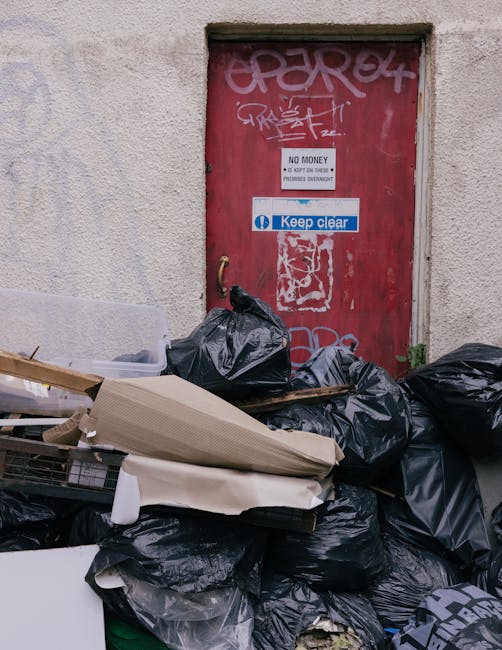
Skip Permits and Waste Law for New Malden Moves
If you are planning a move in New Malden, there is a good chance you will run into one of those less glamorous but very real details: skip permits and waste law. It is the kind of thing that can feel like admin for admin's sake until a skip blocks a road, a neighbour complains, or waste is handled in the wrong way. Then it becomes a problem fast.
This guide explains Skip Permits and Waste Law for New Malden Moves in plain English. You will learn when a permit is needed, how waste duties usually work, what to do if you are clearing a house or office, and how to avoid the common mistakes that cost time and money. A move is stressful enough. The paperwork should not be the part that bites you.
Table of Contents
- Why Skip Permits and Waste Law for New Malden Moves Matters
- How Skip Permits and Waste Law for New Malden Moves Works
- Key Benefits and Practical Advantages
- Who This Is For and When It Makes Sense
- Step-by-Step Guidance
- Expert Tips for Better Results
- Common Mistakes to Avoid
- Tools, Resources and Recommendations
- Law, Compliance, Standards, or Best Practice
- Options, Methods, or Comparison Table
- Case Study or Real-World Example
- Practical Checklist
- Conclusion
- Frequently Asked Questions
Why Skip Permits and Waste Law for New Malden Moves Matters
When you move, waste tends to appear in waves. Old furniture, damaged boxes, broken blinds, loft clutter, filing cabinets, packaging, garden waste, and the strange mix of things that only seem to exist when you are emptying a property. In a place like New Malden, where streets can be busy and parking space is often limited, that waste cannot always just sit on the roadside while you sort it out.
A skip permit matters because a skip placed on the public highway usually needs permission. Waste law matters because the person producing the waste remains responsible for making sure it is disposed of correctly. That sounds simple, but in practice it means you need to think about where the skip sits, who hires it, what goes in it, and what happens after collection.
For homeowners, landlords, tenants, and small businesses, the risk is not just a fine. It can also mean delays to your move, awkward conversations with neighbours, extra collection charges, and a last-minute scramble to deal with items that should have been sorted earlier. Truth be told, these are the sort of headaches people only remember after the van has already arrived.
If your move involves more than a few bags of general rubbish, it is worth looking at the wider moving picture too. A well-planned move often combines the right vehicle, sensible packing, and the correct waste route. Services such as man and van support, home moves, and even office removals can help reduce the mess that ends up needing special handling in the first place.
How Skip Permits and Waste Law for New Malden Moves Works
The basic idea is straightforward. If a skip is going on private land, such as a driveway or yard, a permit may not be needed. If it is going on a public road, pavement, or verge, permission is usually required from the local authority or the skip operator acting within the local process. The exact arrangements depend on location, access, and how long the skip will stay in place.
Waste law sits alongside that. In the UK, anyone who produces waste has a responsibility to ensure it goes to a lawful carrier or disposal route. That is why moving waste into a skip is not the end of the story. You still want to know who is taking it away, whether it is sorted for reuse or recycling, and whether any restricted items are excluded.
During a move, the rules often touch several different issues at once:
- Access: Can a skip or vehicle safely fit where you want it?
- Permission: Is it private property or public highway?
- Waste type: Is the waste general household rubbish, bulky furniture, or something with special handling needs?
- Timing: Will the skip be there long enough to justify the cost?
- Responsibility: Who is responsible if waste is dumped incorrectly or a permit is missed?
For many New Malden moves, a skip is not even the best answer. A cleaner, quicker route might be a booked clearance, a single-journey van load, or a carefully planned removal service that takes unwanted items away at the same time as the move. A lot depends on volume. A little less drama, to be fair, is often the smarter route.
What counts as waste during a move?
It is not just bin bags. Waste can include old mattresses, office chairs, shelving, broken appliances, flat-pack packaging, damaged decor, and the half-finished "I might keep that" pile that somehow grows overnight. Some of these items may be suitable for reuse or recycling, while others need specialist disposal.
That is where it helps to think before you start throwing things together. A rough mixed pile can create extra sorting work, and mixed loads are often less efficient than separating items early. A move is noisy enough without hearing broken glass rattling in a cardboard box. Nobody wants that surprise.
Key Benefits and Practical Advantages
Handling skip permits and waste law properly is not just about avoiding trouble. It can actually make the move smoother.
- Less disruption: The right permit and the right placement reduce the risk of blocked access or last-minute repositioning.
- Cleaner move day: A clear waste plan keeps hallways, stairwells, and driveways safer.
- Better cost control: When waste is separated and planned early, you are less likely to pay for rushed collection or extra trips.
- Lower compliance risk: You reduce the chance of using the wrong disposal route or missing a required permit.
- More recycling potential: Sorting waste with care can improve reuse and recycling outcomes, which is better for the move and the environment.
There is also a quieter benefit: peace of mind. When the paperwork and disposal plan are in place, you can focus on the move itself. That matters more than people expect. A calm move is a better move.
If sustainability is part of your thinking, it may be helpful to read about recycling and sustainability alongside your move planning. Waste decisions and greener choices usually go hand in hand.
Expert summary: The smartest moving plan is usually the one that reduces waste before it becomes a skip problem. The less you have to rush, the less likely you are to miss a permit or send the wrong item for disposal.
Who This Is For and When It Makes Sense
This topic matters to a lot of different people. If you are moving from a flat, clearing a family house, relocating a shop, or emptying an office, there is usually some kind of waste question waiting in the background.
It especially makes sense if you are:
- emptying a property before sale or letting
- removing old furniture, fittings, or bulky junk
- doing a refurbishment alongside the move
- moving from a street with limited parking
- running a business move where time windows are tight
- trying to reduce the number of van trips on moving day
For a household move, waste often builds up around decluttering. For a business move, it is often the paper trail, obsolete equipment, and furniture that no longer has a use. In both cases, the best approach is usually to separate what is moving from what is being removed.
If you are unsure whether you need a skip at all, that is normal. A lot of people overestimate how much waste they have. Others underestimate it and then end up with a pile in the front garden at 8pm, wondering how it got so big. Been there, or at least everyone has seen it happen.
Step-by-Step Guidance
Here is a practical way to handle skip permits and waste law for a New Malden move without turning it into a headache.
- Walk through the property early. Make a simple list of what is going, what is staying, and what is waste.
- Separate reusable items. If something can be donated, sold, or rehomed, decide that before it reaches the skip pile.
- Check where the skip would sit. Private land and public highway are treated very differently. This is the point where permit questions usually begin.
- Choose the right disposal method. A skip, a clearance load, or a removal service may each make sense depending on volume and access.
- Confirm restricted items. Do not assume everything can be mixed together. Some items need special handling.
- Ask who is responsible for the paperwork. If a contractor arranges the skip, make sure you know whether the permit is included and what the terms are.
- Schedule waste removal before moving day pressure hits. The closer you leave it to the end, the more likely it is to become chaotic.
- Keep records where sensible. A simple note of what was removed and by whom can be useful if questions come up later.
If the move is commercial, the planning needs to be tighter still. Office furniture, electronics, confidential paperwork, and old storage units can all affect the disposal plan. In those cases, a service such as commercial moves or office relocation services can help keep the process more structured.
Expert Tips for Better Results
A few small choices make a big difference here. They really do.
1. Sort before you hire
Do not book a skip or clearance solution until you know roughly how much waste you have. A quick sort of each room is enough to stop you overbuying capacity or underestimating the job.
2. Keep an eye on access
In New Malden, access can be tight on some roads. A skip or removal van may fit in theory but not in real life if parked cars, narrow entrances, or neighbours' driveways get in the way. Measure first. Guessing is expensive.
3. Separate heavy waste from light waste
Bricks, soil, tiles, and similar heavy materials can change the economics of disposal. Mixed loads with heavy waste may need more care than people expect.
4. Use the move as a declutter moment
Moving is a rare chance to cut clutter without too much emotional noise. Ask the simple question: do I really want to pay to move this? That question is annoyingly effective.
5. Think about the exit point
If waste is coming out of a back room, loft, or upstairs flat, the route matters. Protect floors, keep pathways clear, and avoid leaving bulky waste where it creates a trip hazard.
For many households, a mix of man and van removals and selective waste disposal is enough. For larger jobs, you may need removal services or a dedicated removal company that understands how to handle both items to keep and items to discard.
Common Mistakes to Avoid
Most problems come from rushing. That is the honest answer.
- Assuming a skip never needs permission: If it is on the road or pavement, do not assume.
- Mixing all waste together: This can make disposal less efficient and, in some cases, create compliance issues.
- Leaving hazardous or restricted items in the pile: That can create safety and legal problems.
- Booking too late: Permits and collections can take time. A last-minute order is where stress starts to compound.
- Not checking liability: If the skip blocks access or waste is dumped badly, somebody has to deal with it.
- Ignoring neighbours: A little warning goes a long way when a skip, van, or loading area affects shared space.
A smaller mistake people make is under-communicating. They tell the mover about the furniture, but not the waste pile. Or they book the clearance, but not the access details. Then everyone arrives with a different picture in their heads. Not ideal.
Tools, Resources and Recommendations
You do not need a complicated toolkit to manage this properly. A few basic things are enough.
- Room-by-room inventory: A simple list helps you decide what stays and what goes.
- Phone photos: Pictures of the waste volume or access points can help a contractor give better guidance.
- Measuring tape: Useful for checking tight doorways, stair corners, or driveway space.
- Marker pens and labels: Helpful for separating keep, recycle, donate, and dispose piles.
- Calendar reminders: Waste collection dates, permit windows, and moving day timings are easy to mix up otherwise.
It also helps to understand the wider moving service you may need. If you are still comparing options, browsing removals, man with van, or movers can help you match the job to the right level of support. Sometimes the best waste solution is simply the one built into the move itself.
For more details about service standards and expectations, it is also sensible to look at terms and conditions, insurance and safety, and health and safety policy if you want a better sense of how a provider works.
Law, Compliance, Standards, or Best Practice
Because this topic touches law and disposal, it is worth being cautious and practical. In the UK, the key principle is that waste must be handled responsibly and passed to authorised carriers or disposal facilities. That does not mean every moving job turns into a legal exercise, but it does mean you should not just hand waste to whoever is available and hope for the best.
Best practice usually includes the following:
- confirming whether a skip permit is needed before the skip arrives
- checking whether the skip operator or contractor handles the permit process
- making sure waste is not fly-tipped or left in an unsafe state
- separating items that need specialist handling
- keeping the site tidy enough to avoid trip hazards or access problems
For business moves, compliance matters even more. Offices may contain confidential documents, electronic equipment, and items that should not simply be thrown into a mixed load. A little discipline here protects both the business and the people doing the lifting. It also tends to make the whole day feel more professional, which helps when clients, landlords, or building managers are watching.
If your move is tied to a workplace relocation, using a provider with experience in office removals or commercial moves can reduce the chance of compliance mistakes. Waste planning is easier when it is part of the move plan, not an afterthought.
Options, Methods, or Comparison Table
There is no one-size-fits-all solution. Here is a simple comparison to help you think it through.
| Option | Best for | Strengths | Watch-outs |
|---|---|---|---|
| Skip permit + skip | Larger clear-outs, renovation waste, bulky mixed waste | Holds a lot, keeps rubbish in one place | Needs permission if placed on public land; can be overkill for small moves |
| Man and van clearance | Medium loads, quick turnaround, tight access | Flexible, often faster, no skip sitting outside for days | Needs good sorting and clear instructions |
| Full removal service with disposal planning | House or office moves with a mix of keep, donate, and dispose | Convenient, organised, less lifting for you | May cost more than handling it yourself |
| DIY trips to a disposal point | Small amounts of waste and people with time to spare | Can be economical | Time-consuming, several trips, more effort on moving day |
The table is not about finding the cheapest option in isolation. It is about matching the method to the job. If the access is awkward and the waste is mixed, a van-based solution can be easier than trying to squeeze a skip into a tight road. If you have a major clear-out, the skip might be the simpler answer. Context matters. Always.
Case Study or Real-World Example
Picture a family moving out of a two-bed terrace in New Malden. They have old wardrobes, garden odds and ends, several broken chairs, and a loft full of "we'll sort it later" boxes. At first, they think a small skip will solve everything.
After a closer look, the problem is less about volume and more about access. The road is busy, parking is tight, and they do not want a skip outside for days. Instead, they split the job into three parts: reusable items are set aside, general waste is bagged and grouped, and bulky furniture is removed through a planned collection as part of the move. A small amount of waste is handled separately, and the rest goes with the removal load.
The result is simpler than the original plan. Less street disruption, fewer collection days, and no frantic reshuffling at the last minute. It is the kind of move that still feels tiring, because moving always does, but not chaotic. That's a win.
A similar approach works for offices. Imagine an old office unit being emptied before a new lease starts. Desks, monitors, filing cabinets, and packaging all come out in one wave. If the business breaks the job into keep, recycle, and dispose categories early, the relocation can be handled alongside a focused service such as office relocation services or a more general removal van arrangement, rather than turning into a waste emergency.
Practical Checklist
Use this before moving day, ideally a few days earlier than you think you need to. You will thank yourself later.
- Walk through every room and identify waste separately from keep items.
- Check whether any skip will sit on a public road, pavement, or verge.
- Confirm who arranges the permit if one is needed.
- Separate reusable, recyclable, and landfill-type waste where possible.
- Set aside any restricted or specialist items for separate handling.
- Measure access routes, including gates, stairways, and driveways.
- Ask the mover or contractor how waste will be collected and recorded.
- Keep pathways clear to avoid trip hazards on the day.
- Warn neighbours if a skip, van, or loading area could affect shared space.
- Read any service terms carefully before confirming the booking.
If you are still deciding on the right support, it can help to compare broader moving options such as removals near me, removal truck hire, or moving van options. The right choice usually becomes obvious once you know the waste volume and access limits.
Conclusion
Skip permits and waste law for New Malden moves are not the most exciting part of relocating, but they are one of the parts that can quietly make or break the experience. Get them right and the move feels organised, calm, and properly under control. Get them wrong and suddenly the whole day feels heavier than it should.
The good news is that the process is manageable. Know where the skip sits, understand who is responsible for the waste, separate items early, and choose a moving or clearance approach that fits the space and the schedule. That is usually enough to stay on the right side of both practicality and compliance.
Get a free quote today and see how much you can save.
And if you are planning a move soon, take a breath. A little structure now saves a lot of stress later, and that is worth doing properly.
Frequently Asked Questions
Do I always need a permit for a skip during a New Malden move?
No. A permit is generally associated with skips placed on public roads, pavements, or verges. If the skip stays entirely on private land, such as a driveway, a permit may not be needed. The exact position matters, so it is worth checking before booking.
Who usually arranges the skip permit?
Often the skip provider arranges it, but not always. You should confirm this before the skip is delivered. If the arrangement is left unclear, delays can happen very easily.
Can I put all my moving waste into one skip?
Not always. Some items need special handling, and mixed waste may be less suitable for certain disposal routes. It is safer to separate items early, especially if you have bulky furniture, electronics, or anything unusual.
What happens if I put a skip in the wrong place?
You could face complaints, collection delays, or problems with local permission. In some cases, the skip may need to be moved. It sounds simple, but that can become a real nuisance on a busy moving day.
Is a skip better than a van clearance for a house move?
It depends on volume, access, and timing. A skip suits bigger clear-outs where waste can stay put for a while. A van clearance is often better for quicker, more flexible jobs, especially where road space is limited.
What kind of waste is commonly produced during moves?
Typical moving waste includes packaging, damaged household items, broken furniture, outdated office equipment, and unwanted decor. Some of it can be reused or recycled, while some needs disposal.
How early should I deal with waste planning before moving day?
Earlier than most people do, ideally as soon as you know what is not coming with you. A quick inventory a week or two ahead is often enough to avoid a frantic last-minute scramble.
Can waste law affect office relocations as well as house moves?
Yes, very much so. Offices often generate electronic waste, furniture, files, and packaging. That means the disposal plan needs a bit more care, particularly where privacy and safety are concerned.
What should I ask a mover or removal company about waste?
Ask what can be taken, what must be separated, whether permits are needed, and how restricted items are handled. If the answer sounds vague, that is your cue to ask again. Better now than on the morning of the move.
Is it worth combining my move with waste removal?
Usually, yes. Combining the two can save time, reduce the number of separate jobs, and make the property feel cleared faster. For many people, that is the difference between a smooth move and a slightly messy one.
Where can I get more help with a move in New Malden?
You can look at the relevant moving and clearance services that match your situation, such as house removals, furniture pick up, or man with a van. Choosing the right support usually makes the waste side much easier to handle.